Scottish Junior Forestry Award

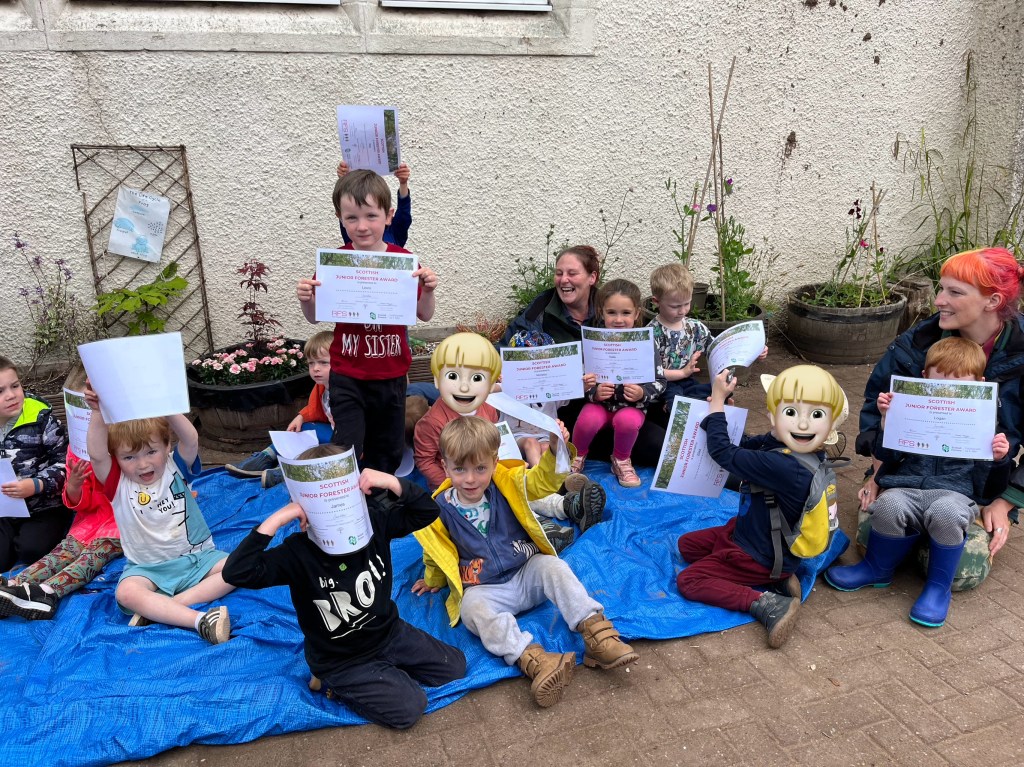
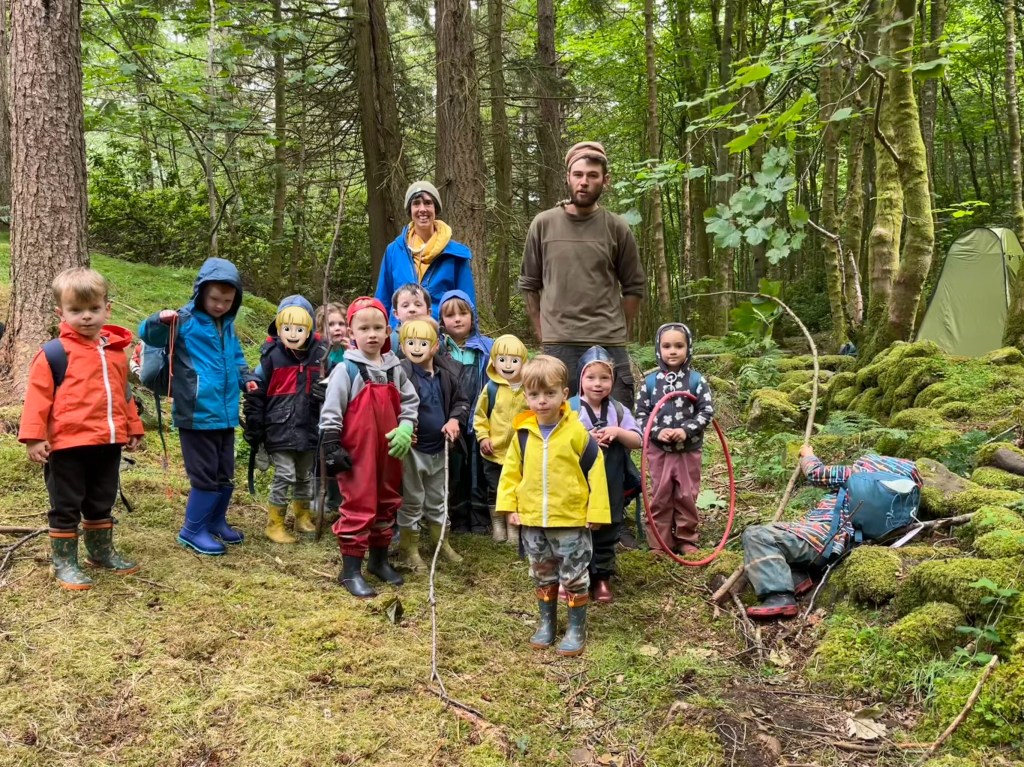
Over the course of this year all of our children have had the opportunity to work towards their Scottish Junior Forester Award. Through the award children have learned to identify and manage risk (eg where is it safe for us to play, what plants are dangerous or might hurt us), tree and plant ID (eg oak, sycamore, holly, wood sorrel, foxgloves), woodland habitats (making a bug hotel), woodland management (tree planting and felling), tool use (how to use tools safely and responsibly) and building things out of wood (dens, bug hotels).
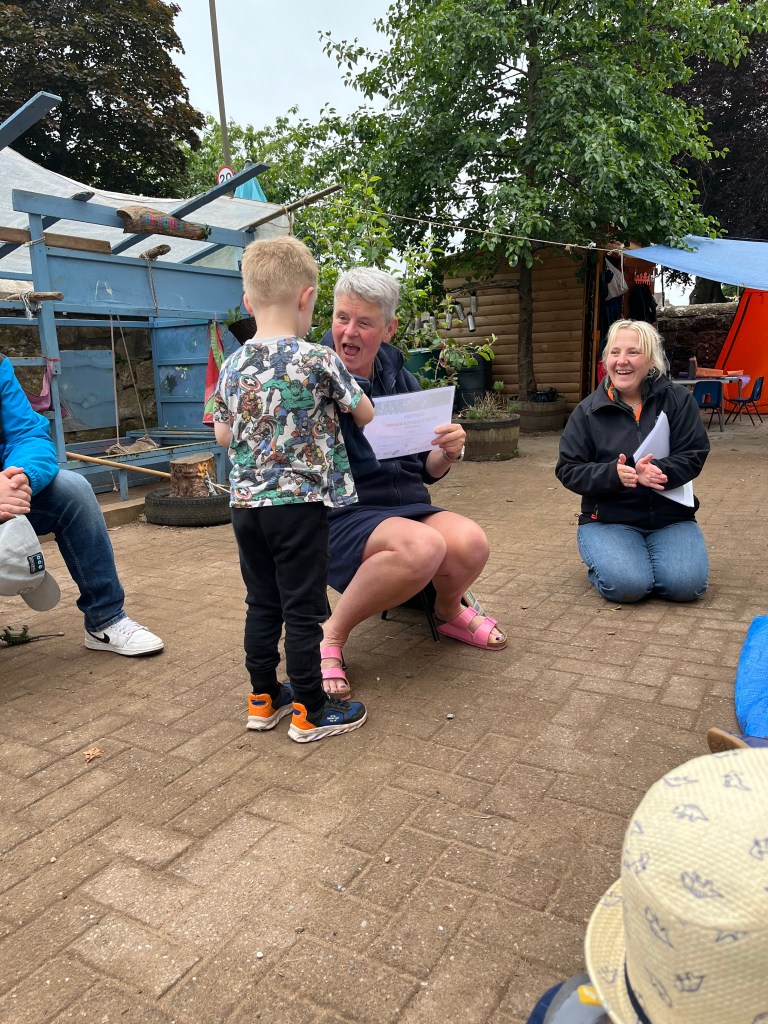
We were very proud to be able to hand over certificates to some of our children today as evidence of all of their hard work and learning.

We would also like to thank “Woods” Katie and Amos Higgins for supporting our children’s learning and experiences in completing the award. We had such amazing times with them in the woods while they were working towards their Forest Leader qualifications.

Campfire and Food Safety Training

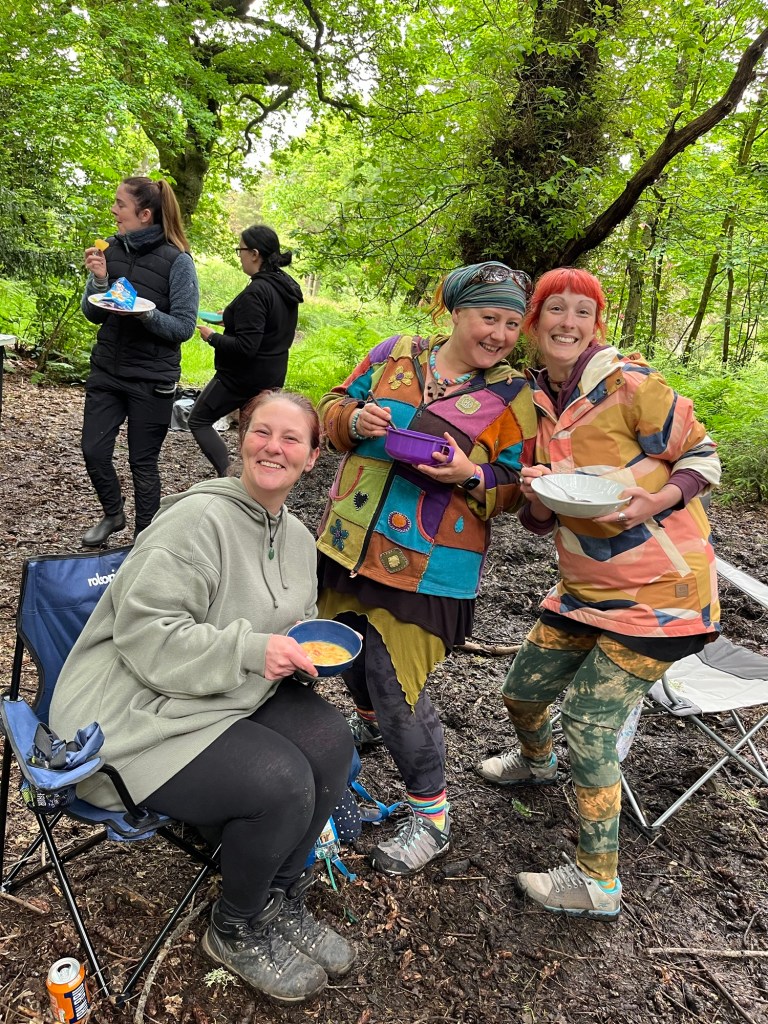
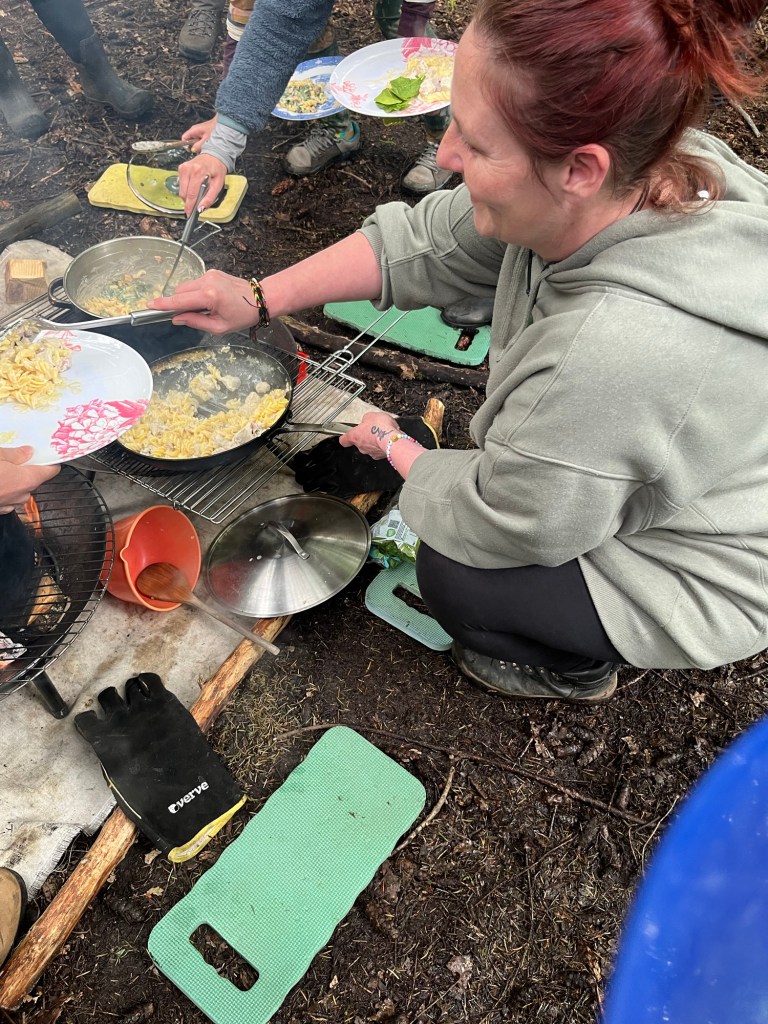
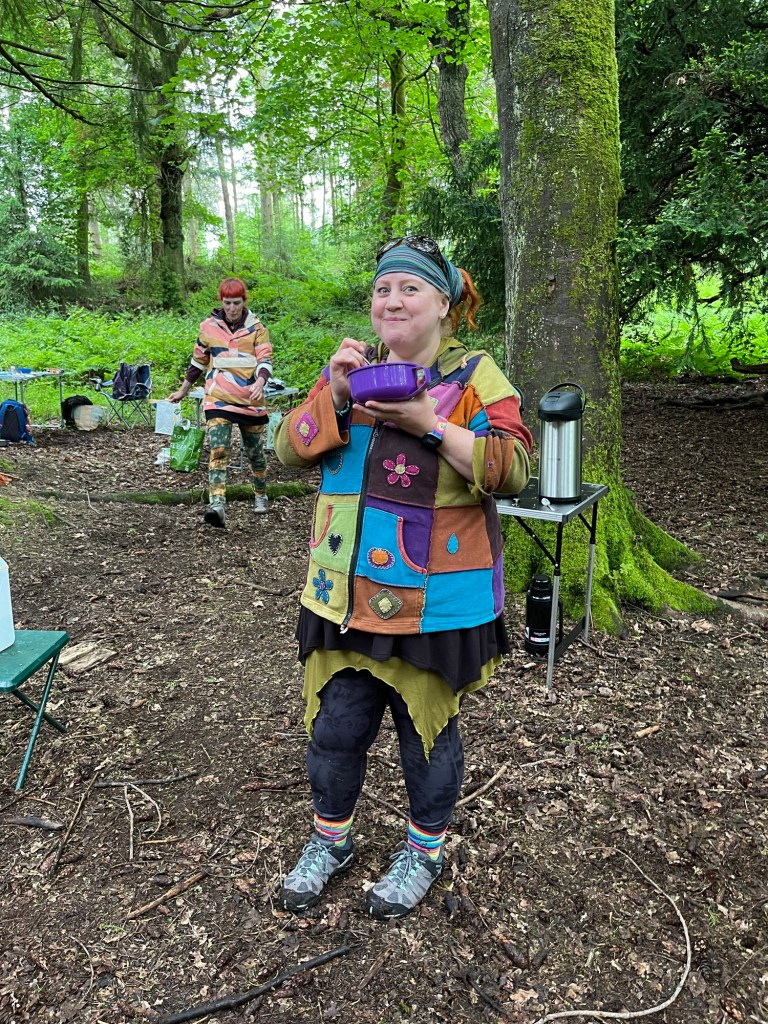
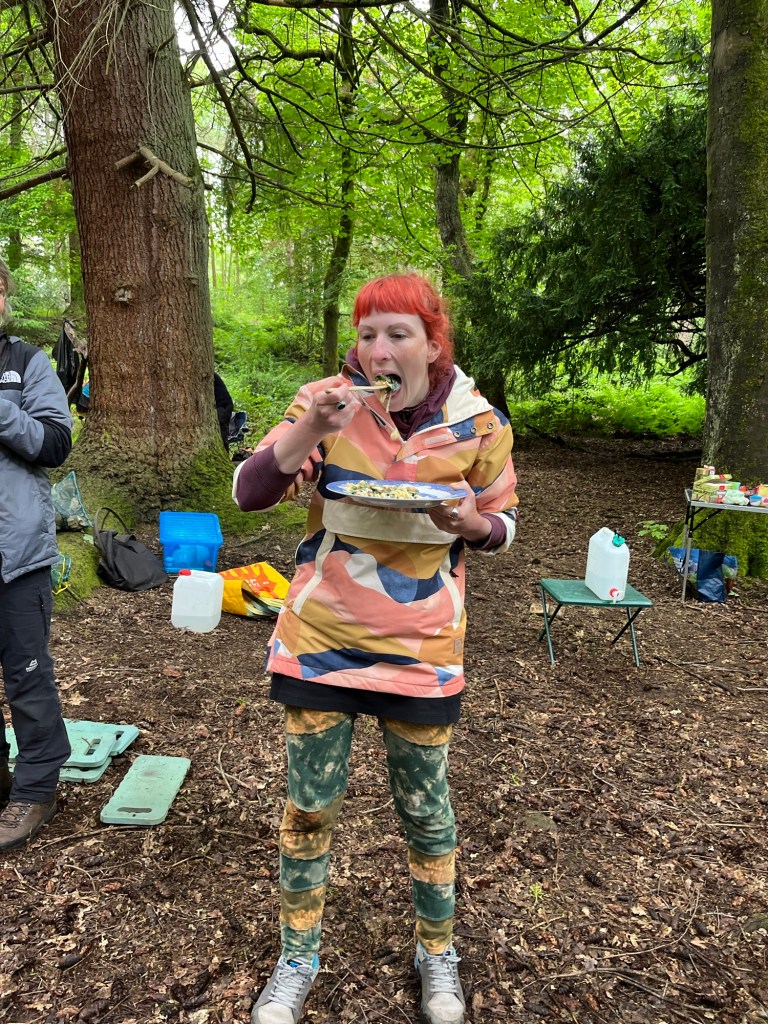
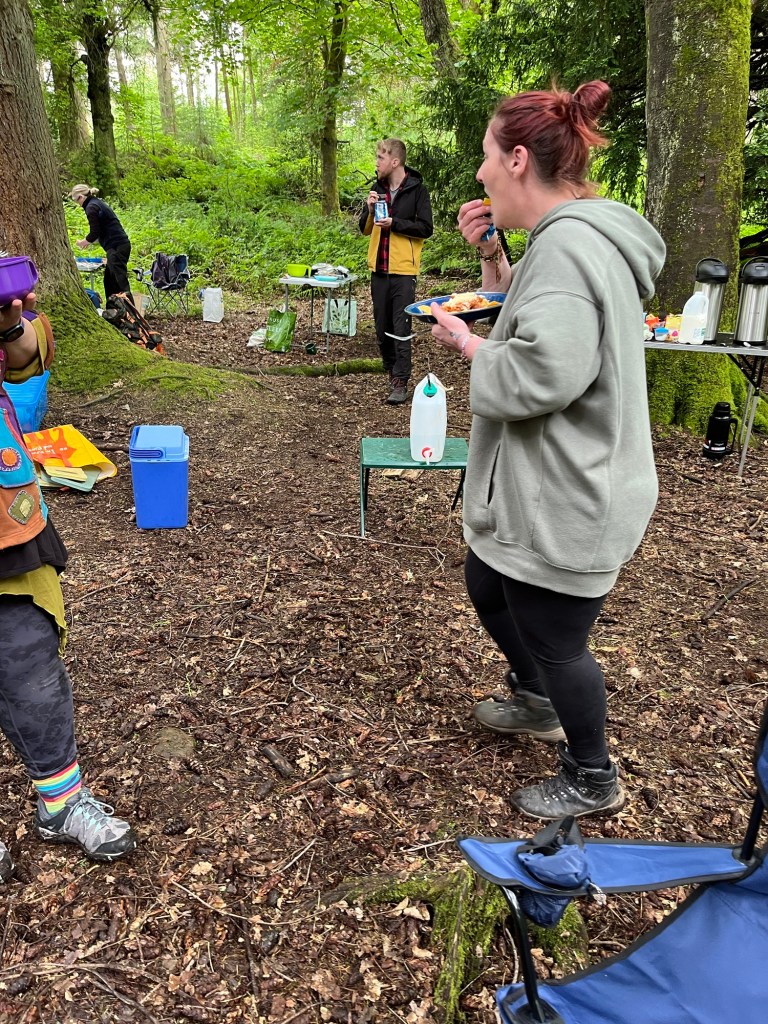
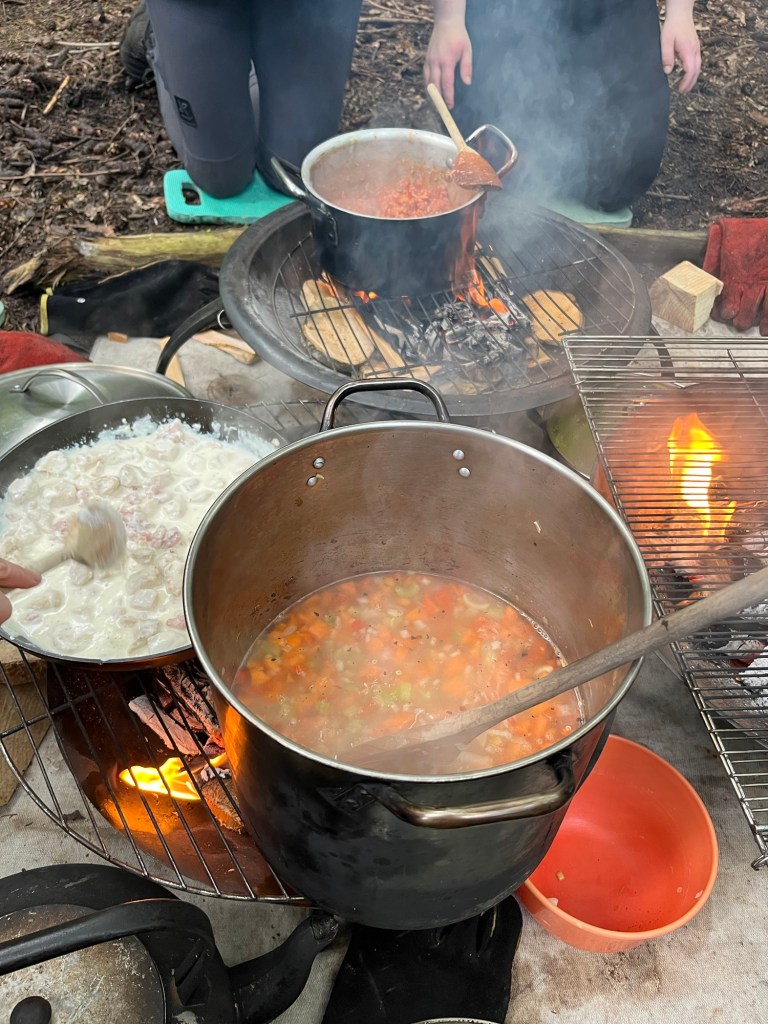
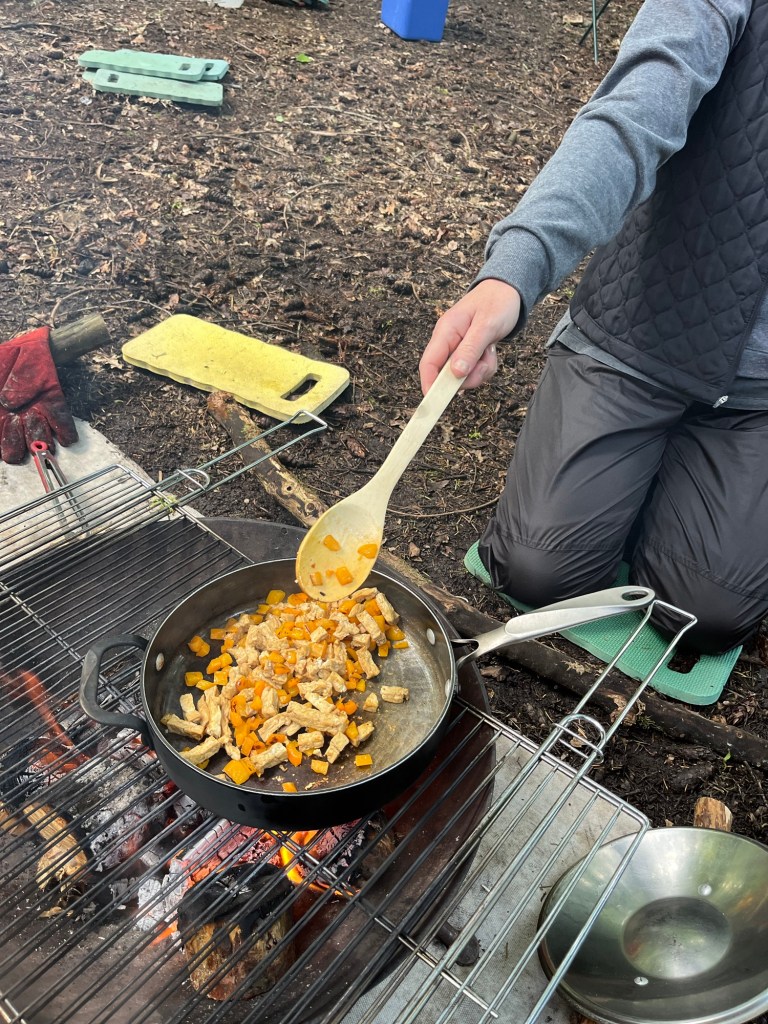
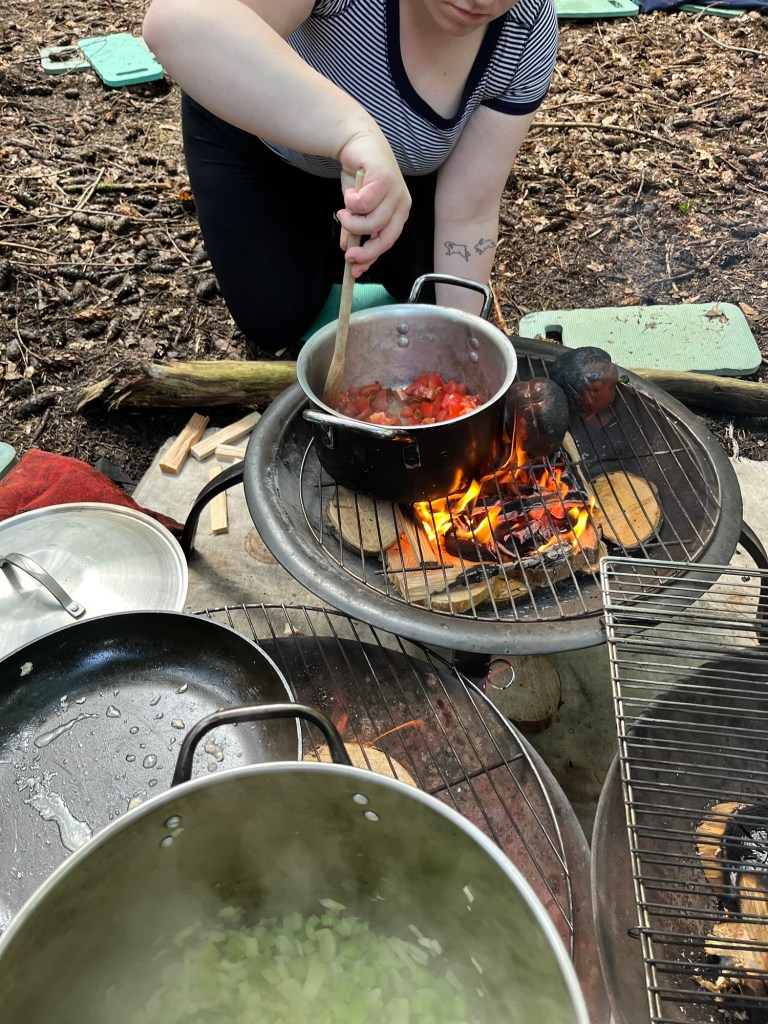
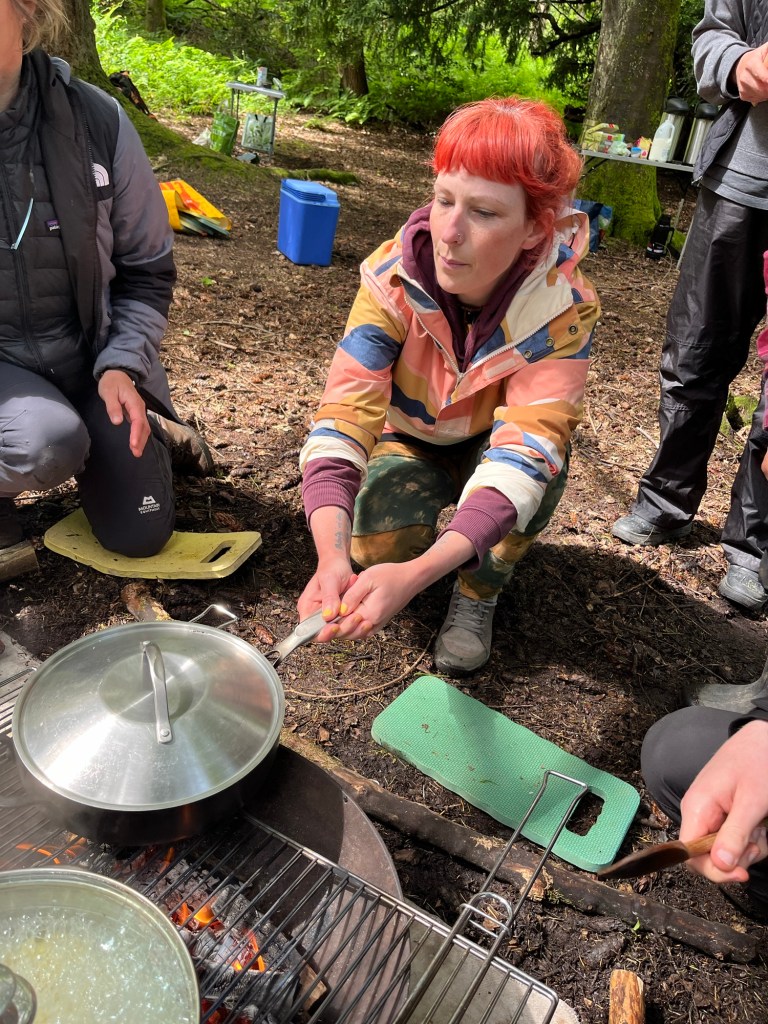
TeamCVN are continuing to develop their repertoire of skills. Today we were undertaking campfire and outdoor food hygiene training while cooking a 5 course lunch over a campfire! TeamCVN took on 4 of these, Jane on soup, Lynda on chicken pasta, Katie on a vegan pasta dish and Helen on chocolate brownies. Even if we say so ourselves it was all pretty tasty.
What’s not to love about a day spent in the woodland with a group of like minded people and accompanied by some great food 🥰.

Planning Application Submitted!

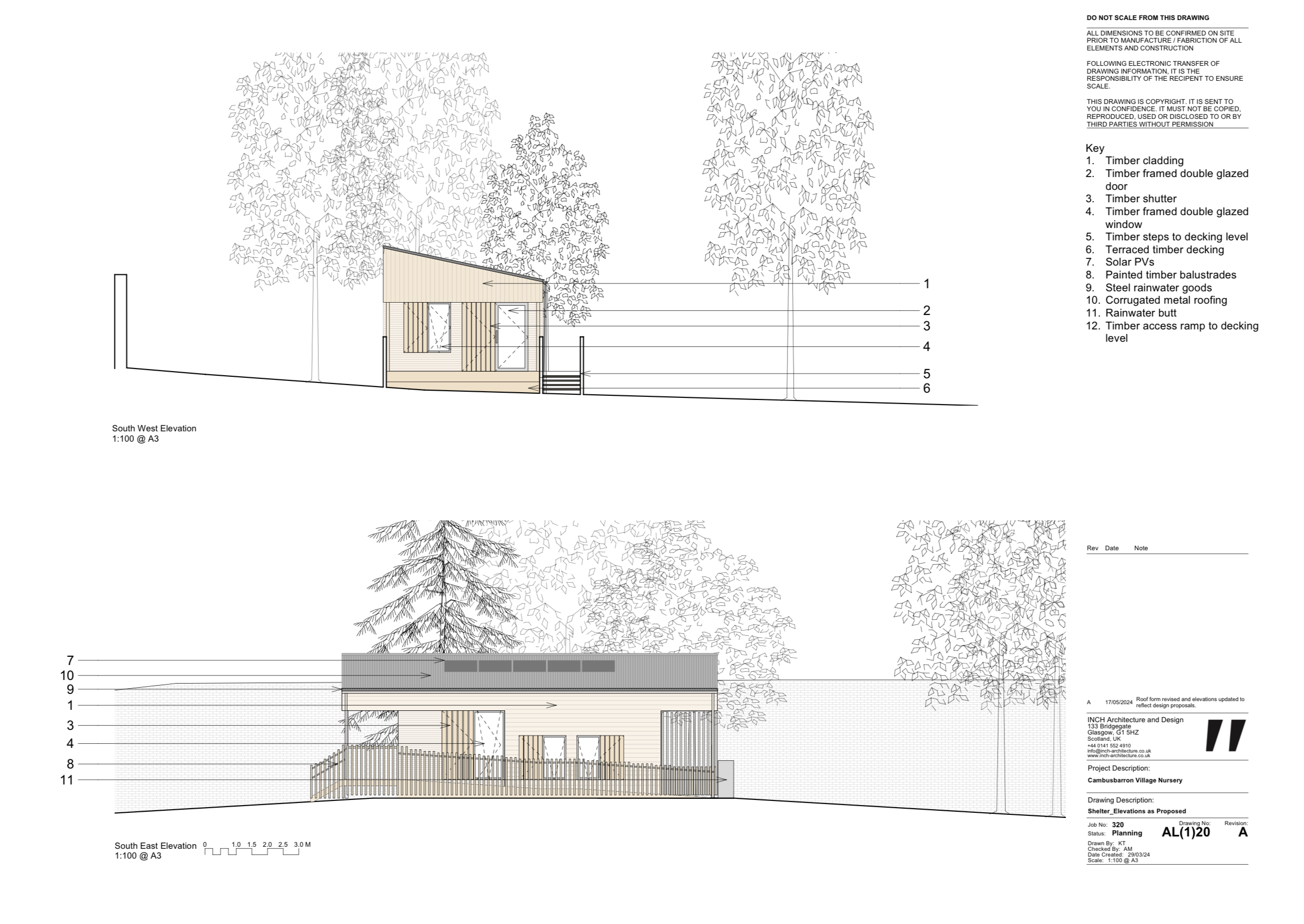
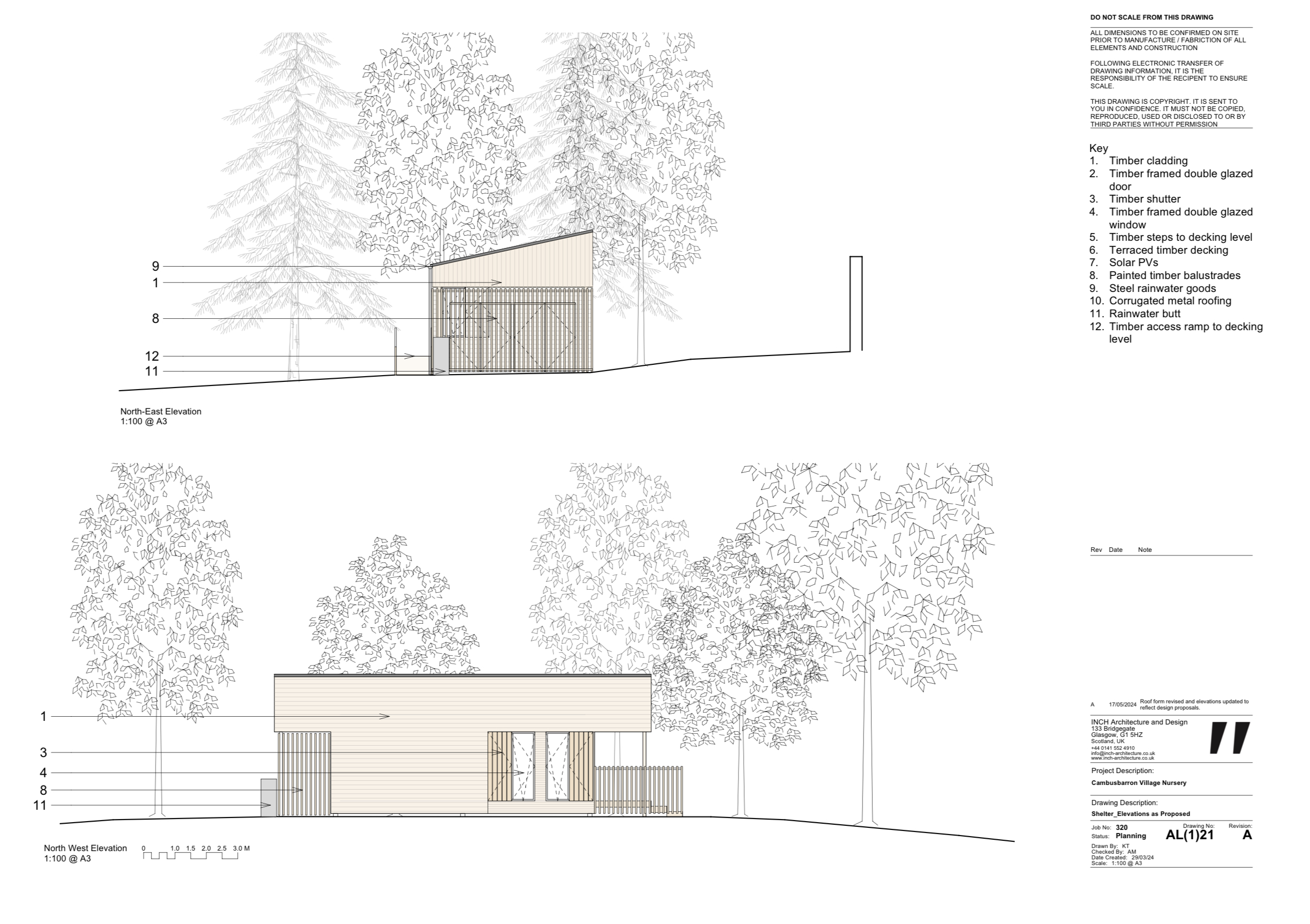
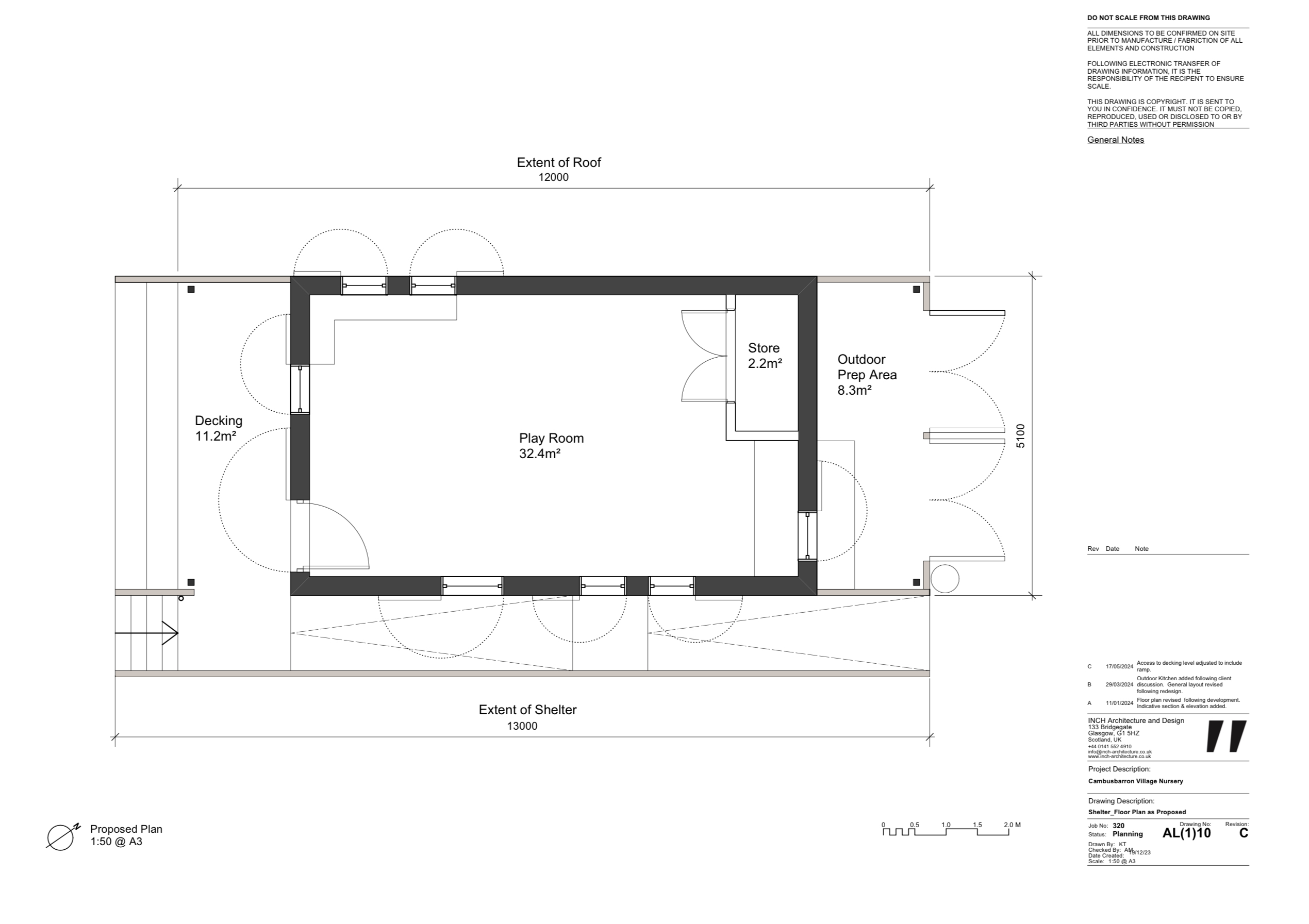
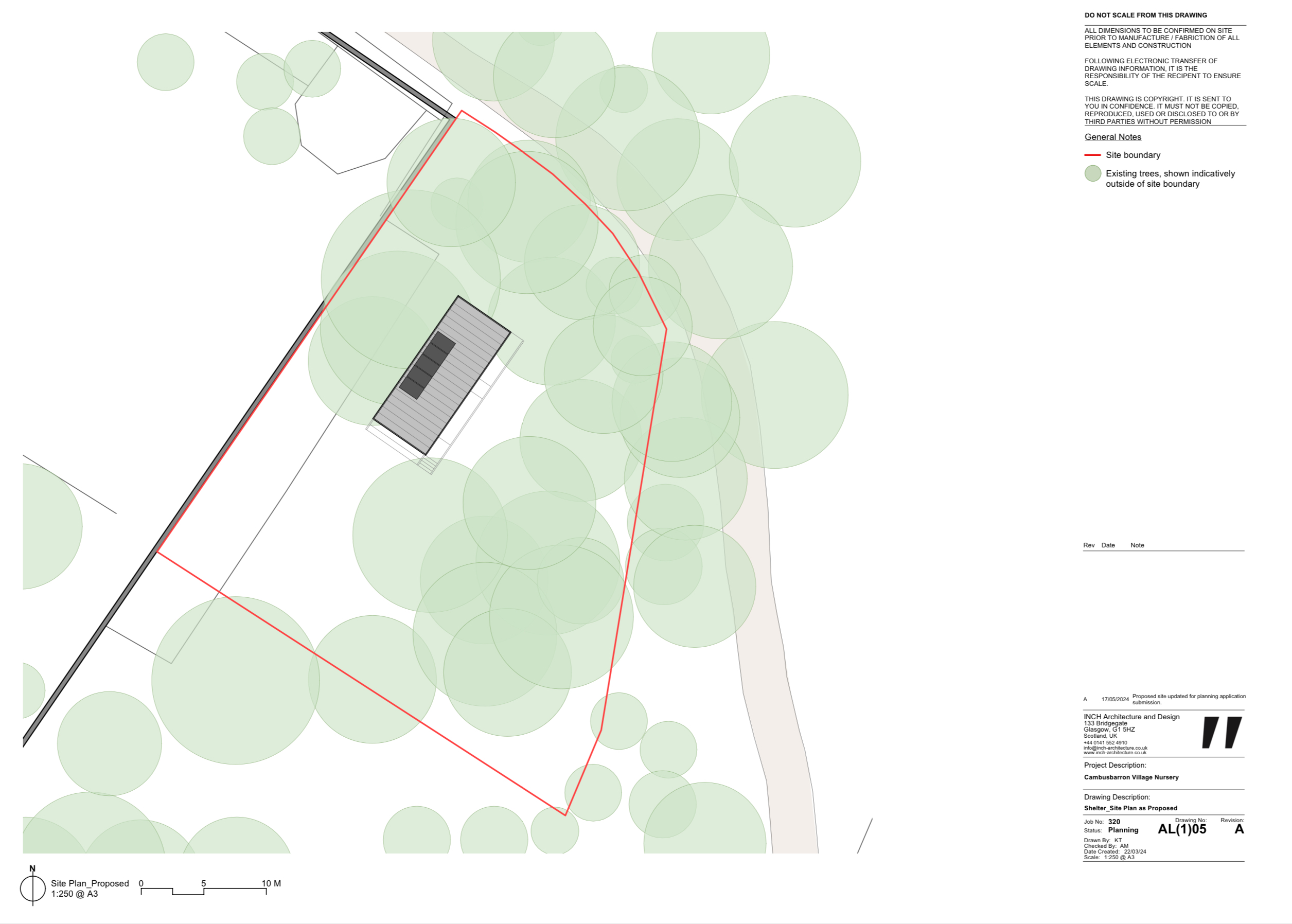
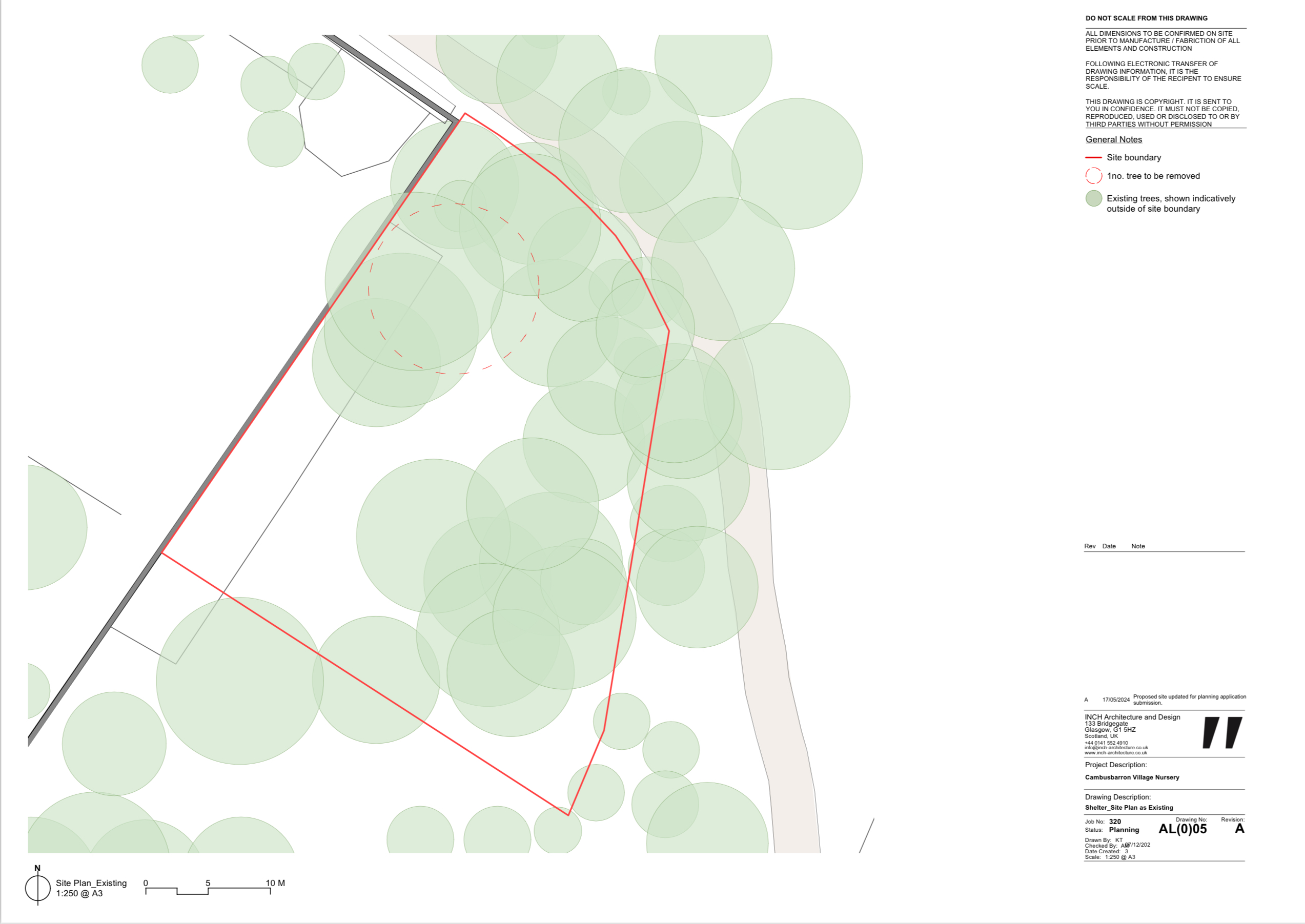
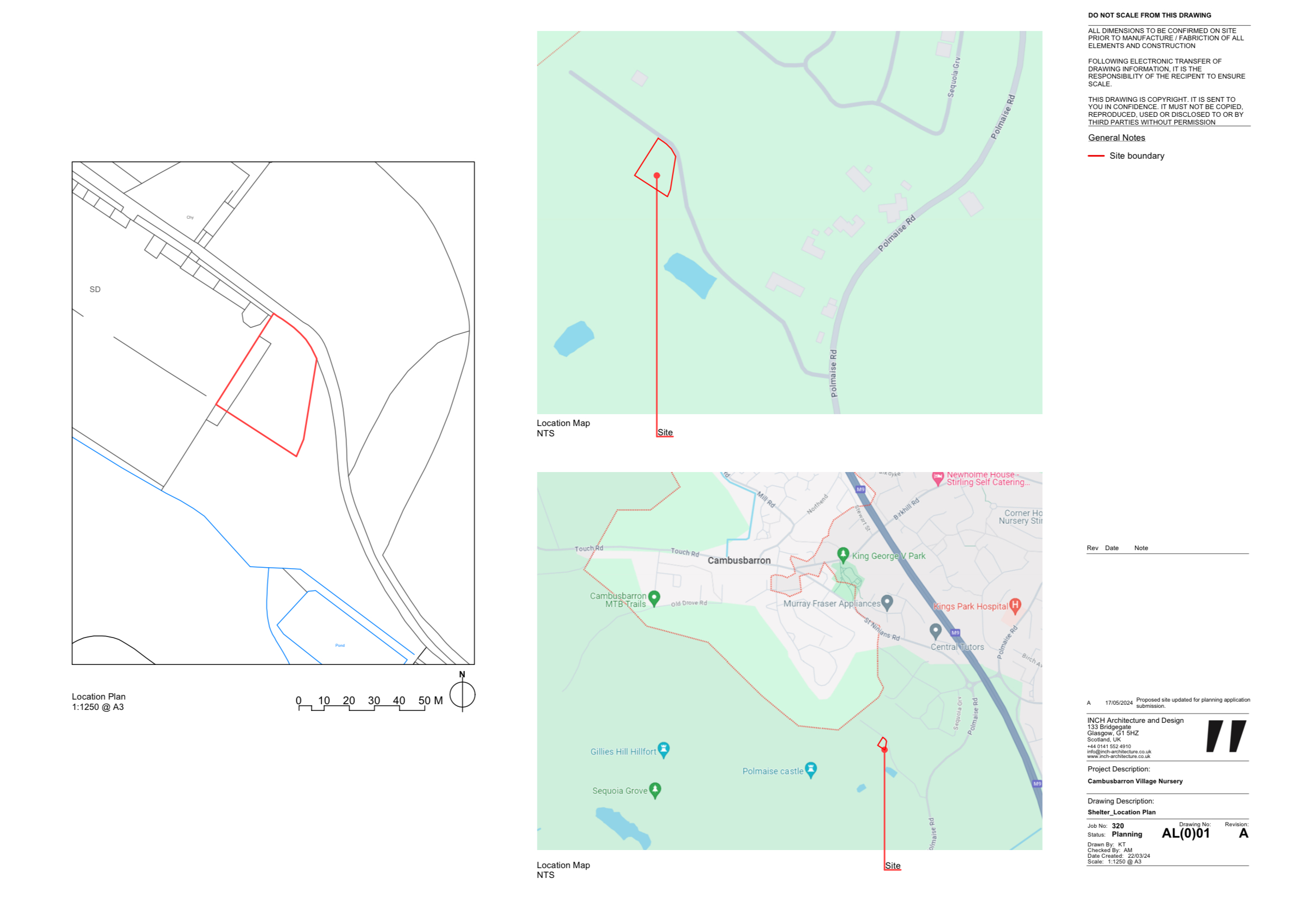
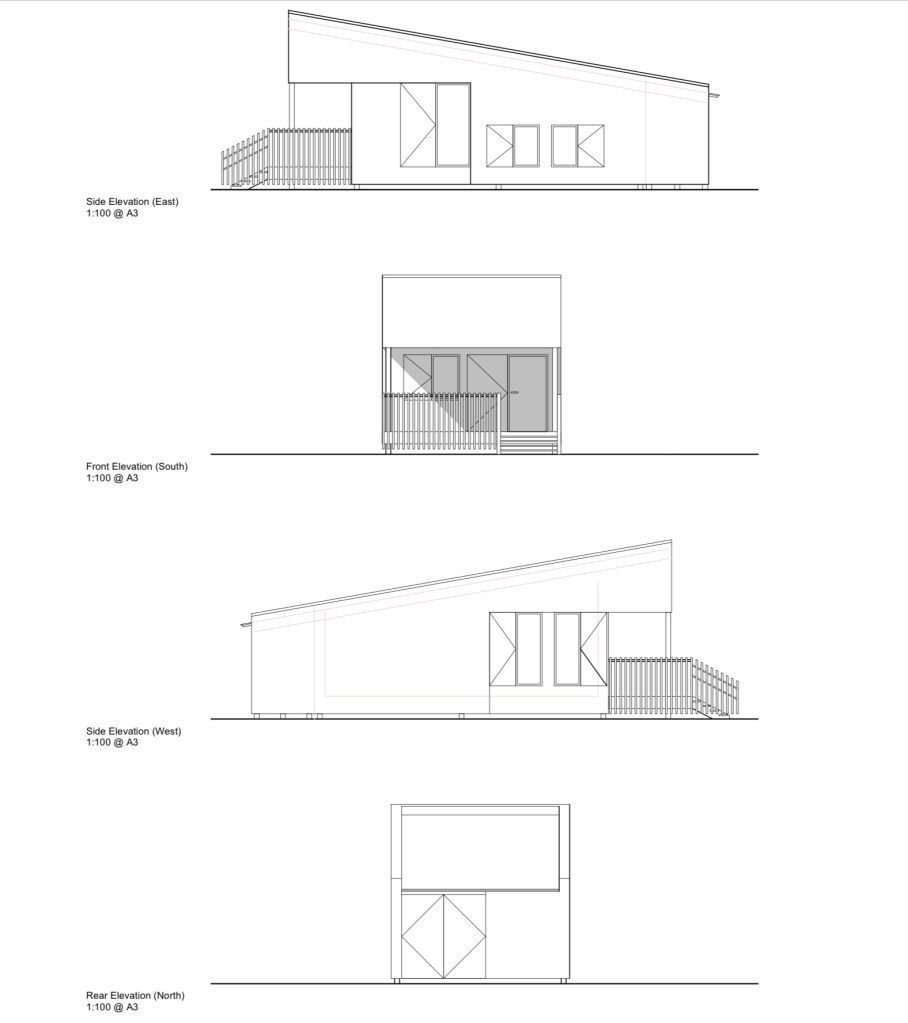
We are delighted to report that our architects have today submitted our planning application to Stirling Council!!

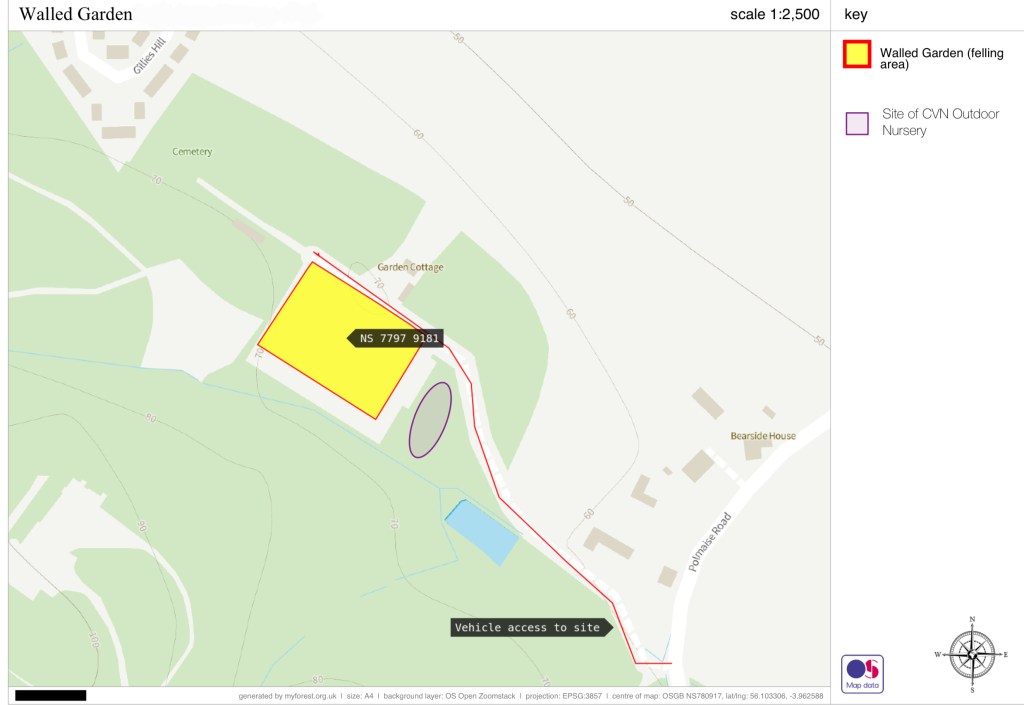
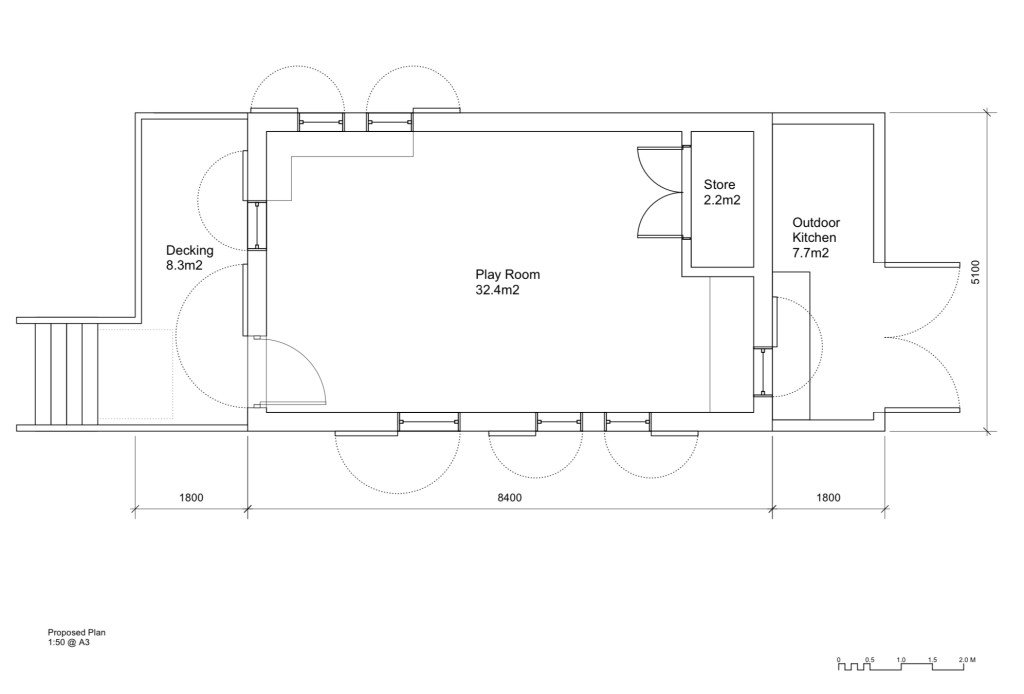
This application is to build a wooden shelter in the area next to the walled garden. The shelter will support children’s play and learning experiences in the woods. It will form a base from which our adventures can take place, it will be somewhere to store our equipment and form an emergency shelter in extremes of weather.

This is a significant step in CVN’s journey and worthy of celebrating 🎉

The full report can be read here

Be Tick Aware

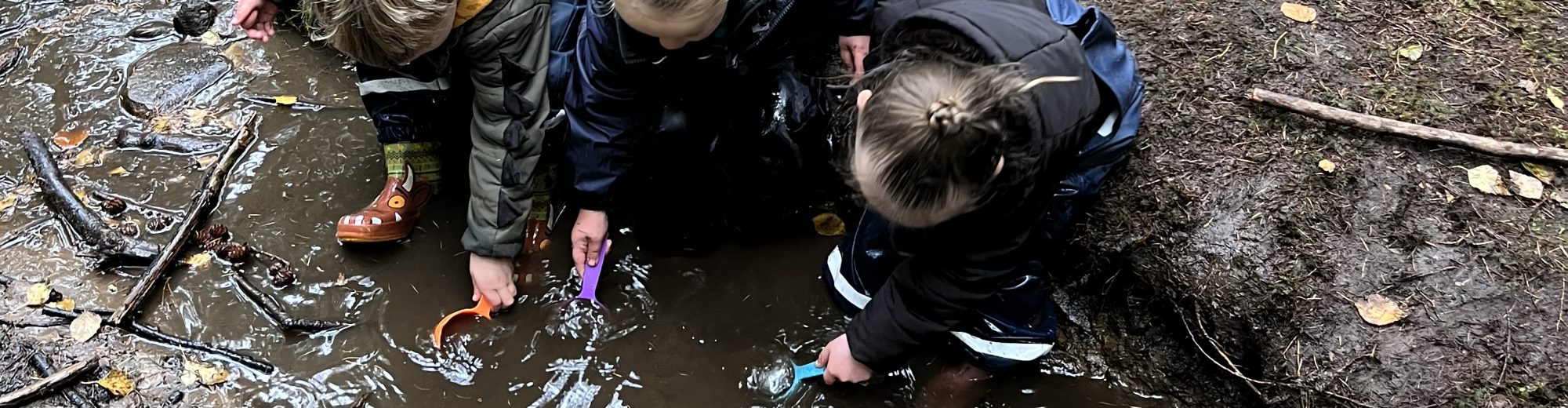
During woodland play sessions children may be exposed to ticks as they are commonly found in woodland, moorland, grassland and parks. Ticks can sometimes pass on diseases such as Lyme disease and Tick-borne encephalitis to humans. Not all ticks are infected and, if they are removed quickly and safely, the chance of illness is greatly reduced.

We strongly recommend that children wear long sleeved tops and trousers as they not only reduce the risk of tick bite they also protect against nettle stings, scrapes and scratches.

If a member of staff notices that a child has a tick during a nursery session we will contact parents to let them know. Parents should take steps to remove the tick as soon as possible. We also recommend that parents check for ticks routinely and, if found, remove as soon as possible. The safest way to do this is to use a tick removal tool commonly available in most outdoor shops and chemists.
Please see our Woodland Play Handbook (page 17) for more information. The following information and guidance may also be useful :

NHS Scotland : Tick Bites

Forestry and Land Scotland : Checking for ticks is easy

NHS Scotland guidelines : Current NHS Scotland Guidelines on Lyme Disease

Forestry Commission: Forestry Commission Identifying Ticks

The following YouTube video by a NHS Highland GP shows how to remove ticks safely :

First Aid

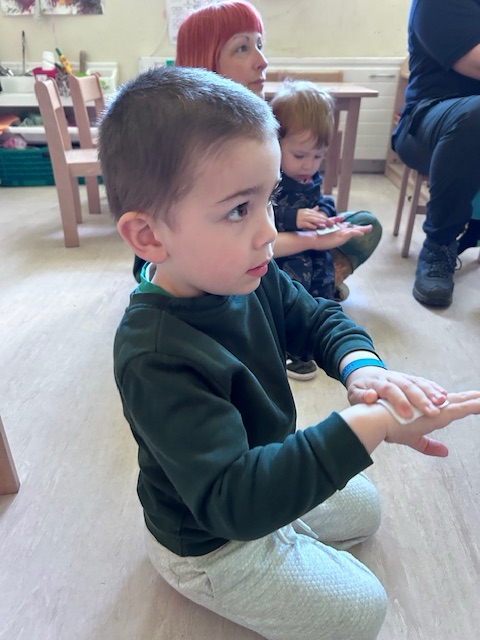
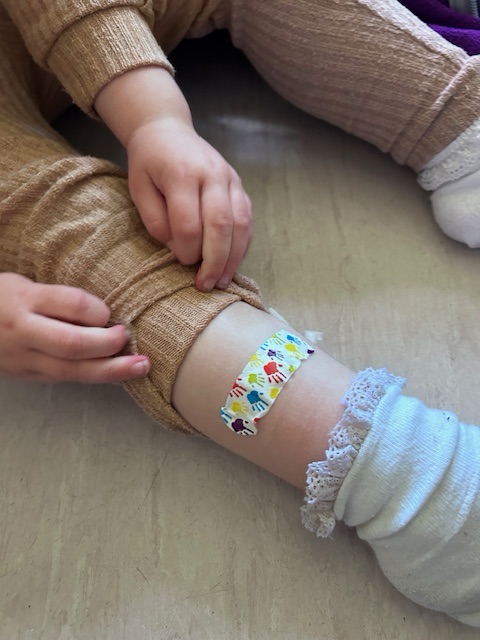
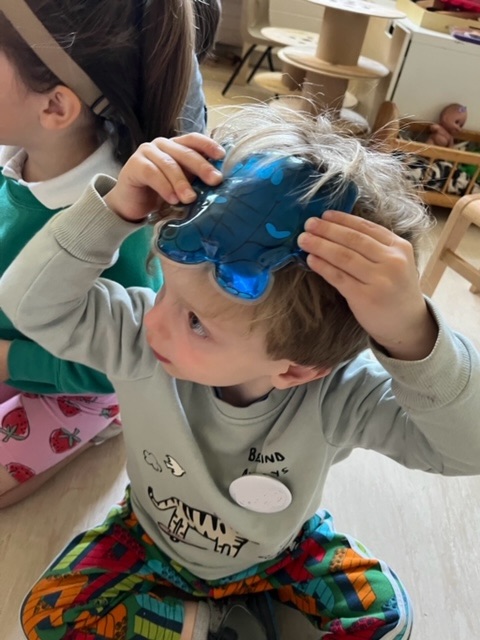
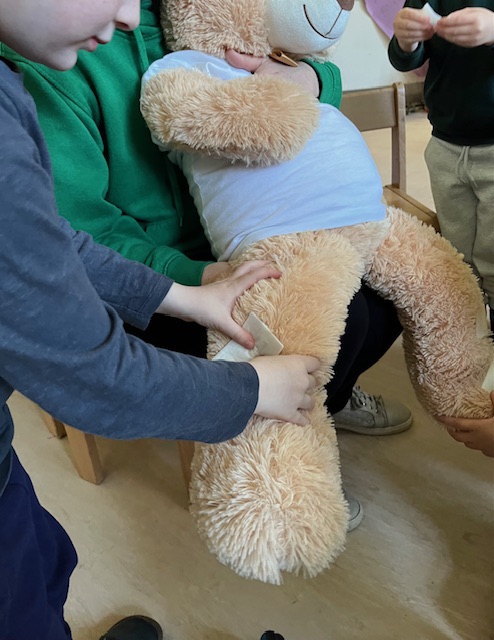
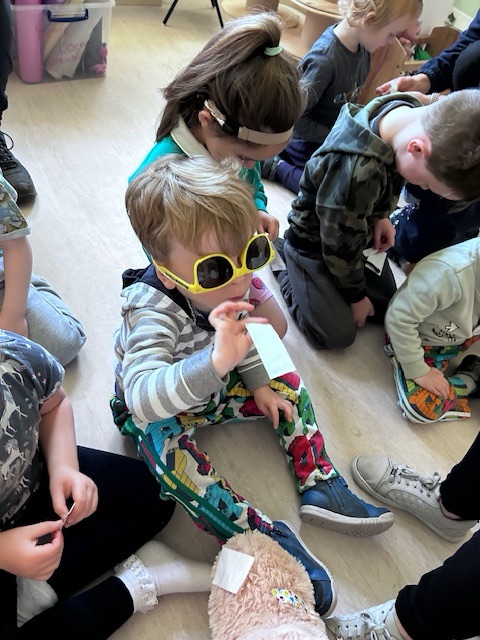
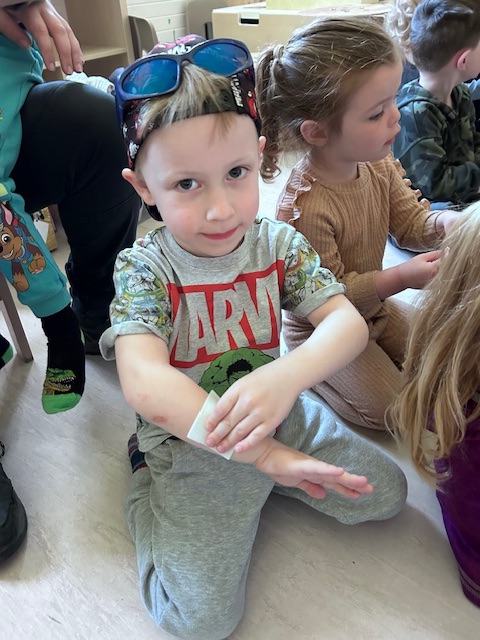
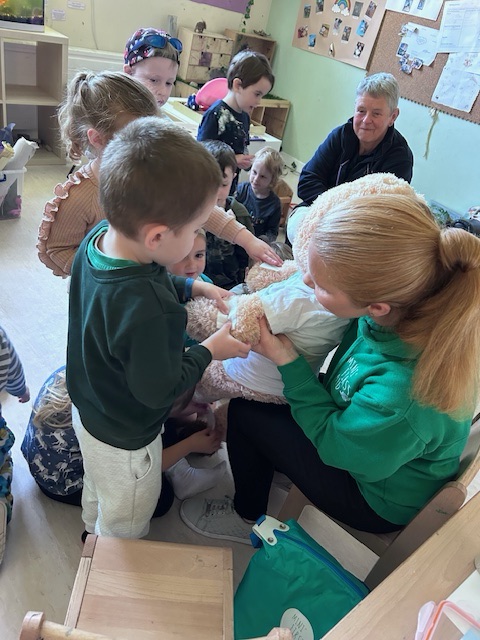
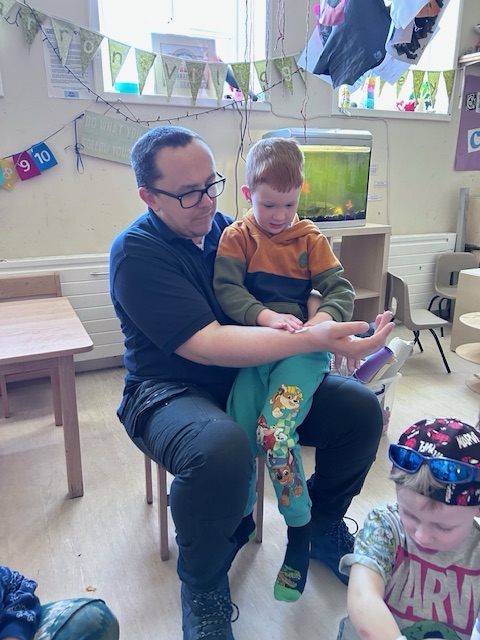
Our children were learning about first aid today with the help of Lynsay from Mini First Aid Fife & Forth Valley. They learned what do do to stop a cut or graze from bleeding (apply pressure), how to put on a plaster, what to do when you get a bump (apply a cold pack), how to roll someone over to lie on their side and how to call 999 for help if we need it.
We always hope that accidents are rare events but it’s good to be prepared!

Updated Preliminary Ecological Appraisal

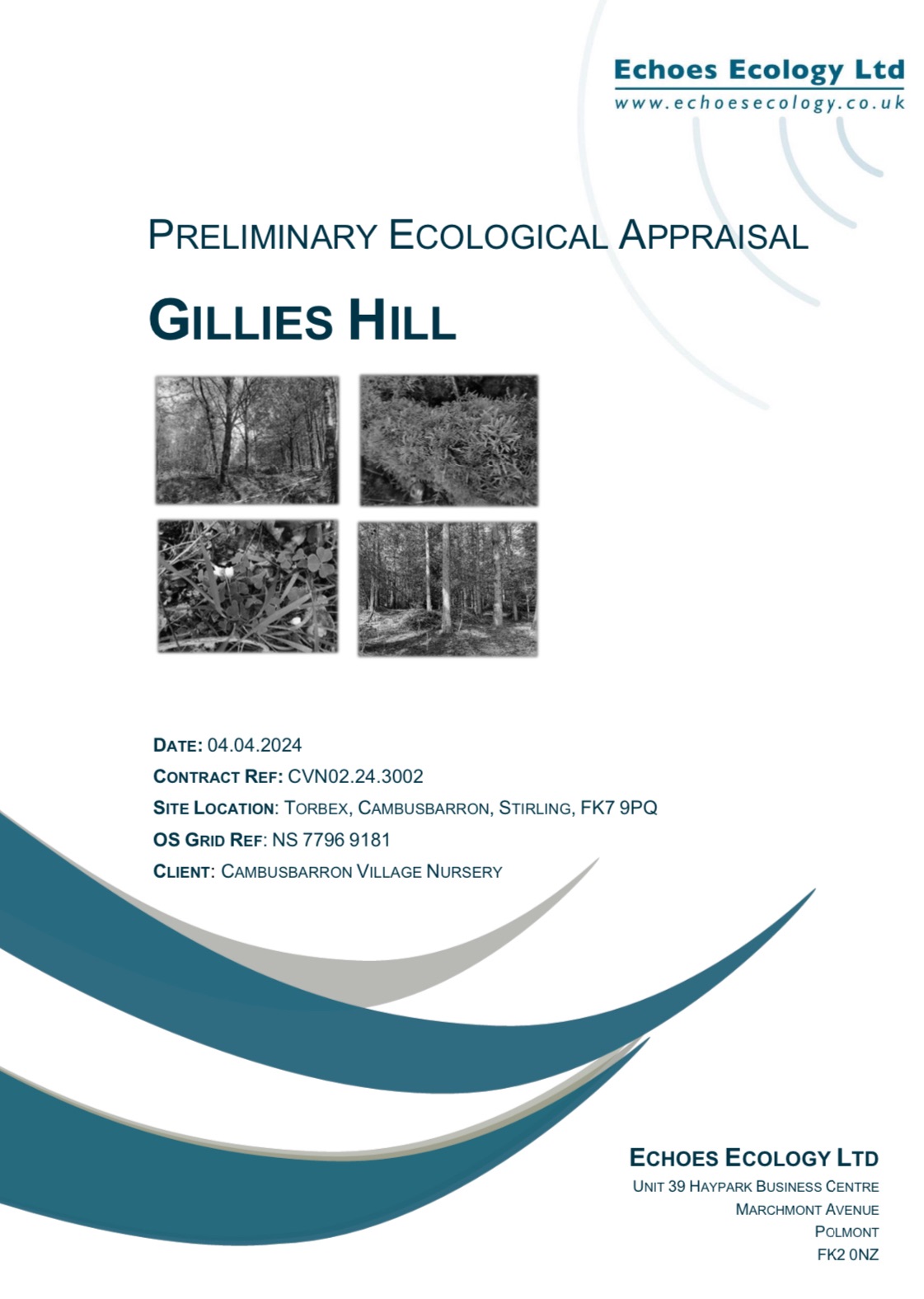
We are delighted to report that we have now received an updated Preliminary Ecological Appraisal of our outdoor nursery site.

The report states that “There was no field evidence of protected species found during the survey”. The report contains an Ecological Constraints and Opportunities Plan which will guide our development. This will include making sure good practice is followed in relation to

  • removing any non-native species (Spanish bluebells and montbretia are noted as examples)
  • protecting plant species (native bluebells for example should be retained)
  • protecting nesting birds
  • installing root protection areas for trees and
  • making sure any lighting doesn’t negatively impact on commuting or foraging bats.

There are several ecological enhancements suggested such as creating a wildflower meadow, making hibernacula from deadwood, retaining and creating wetlands, thinning woodland to encourage the under storey to develop and installing bird and bat boxes. These are exciting suggestions and challenges and we look forward to developing these with our children.

We are Accredited Living Wage Employers!

We are pleased to support this commitment to ensure everyone gets paid fairly and to recognise this collective effort which has delivered a pay rise to over 64,000 workers.

At CVN however we want to go a step further. Along with our colleagues in the private, voluntary and independent sectors we are campaigning for equity for our early years staff. We cannot celebrate a system which considers it to be appropriate that staff working in PVI settings should be paid the Real Living Wage while facilitating local authorities to pay their staff some 30% more for doing the same role. Fair Work Practice? Not as far as we are concerned.

CVN Outdoor Nursery Location

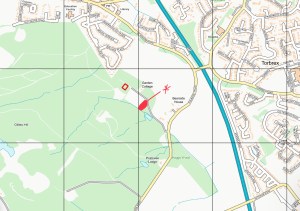
Here is a (low flying) bird’s eye view of the location of our outdoor nursery in Gillies Hill Community Woodland. This area to the south west of the walled garden has vast potential for play and learning and we are excited to be starting to develop it in preparation for our move later this year.

Location of our outdoor nursery