Connecting Children to Nature Through Messy Play

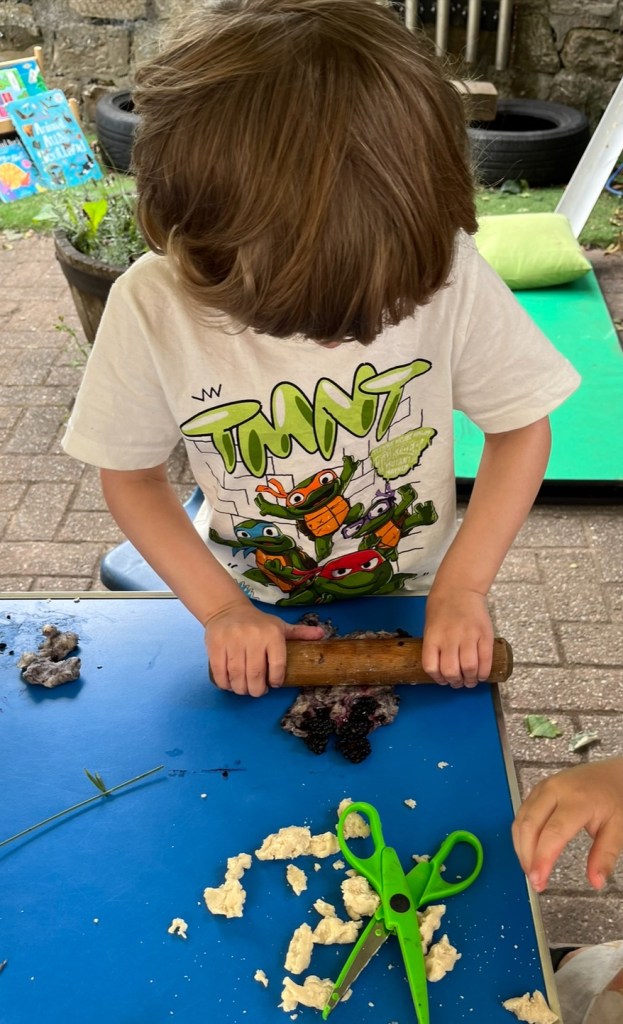
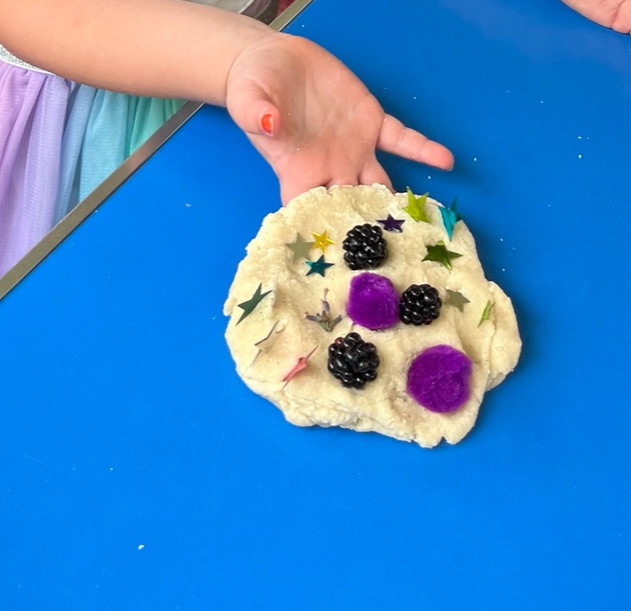
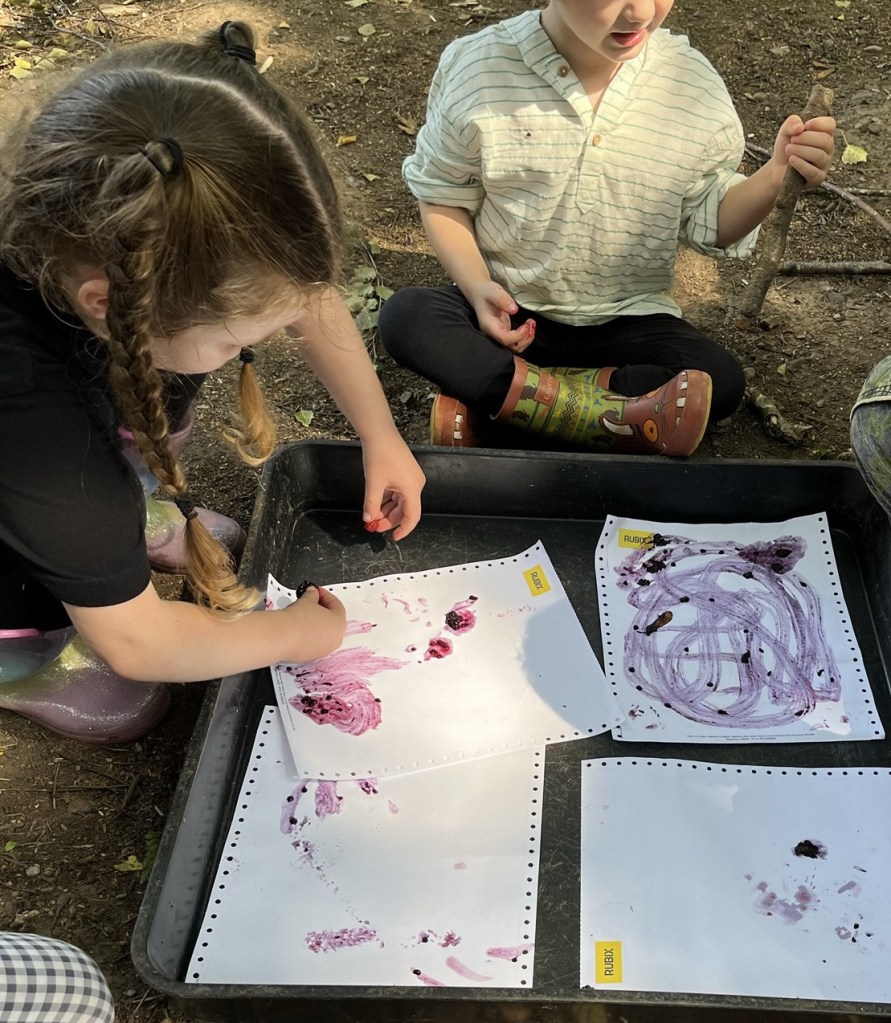
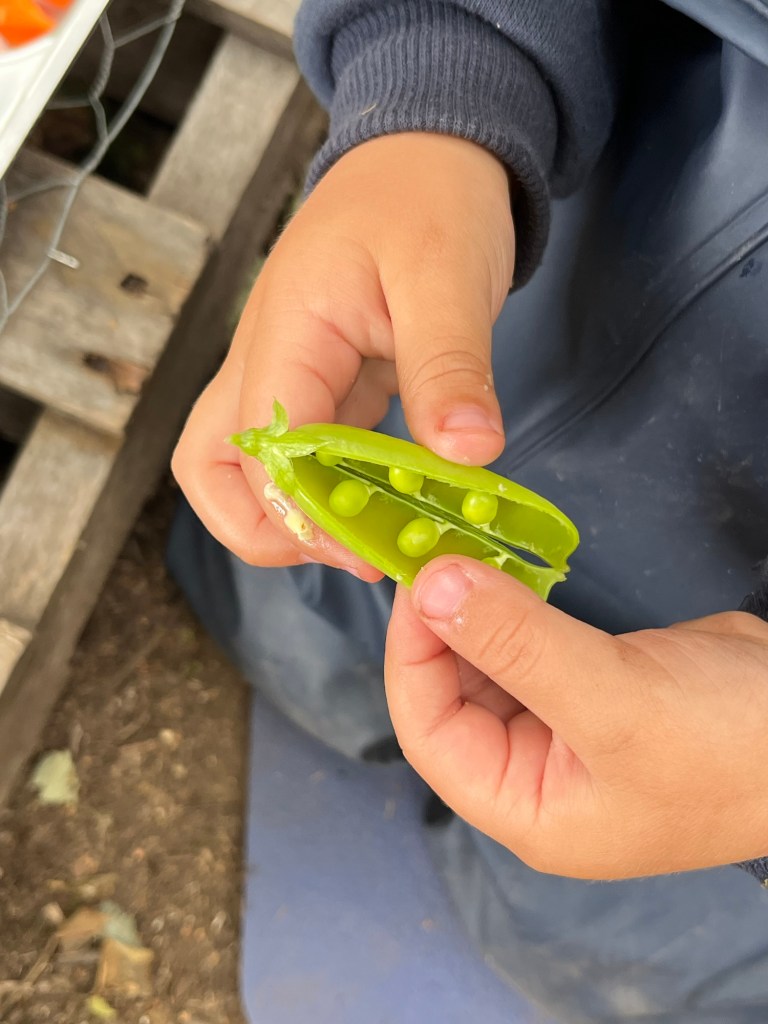
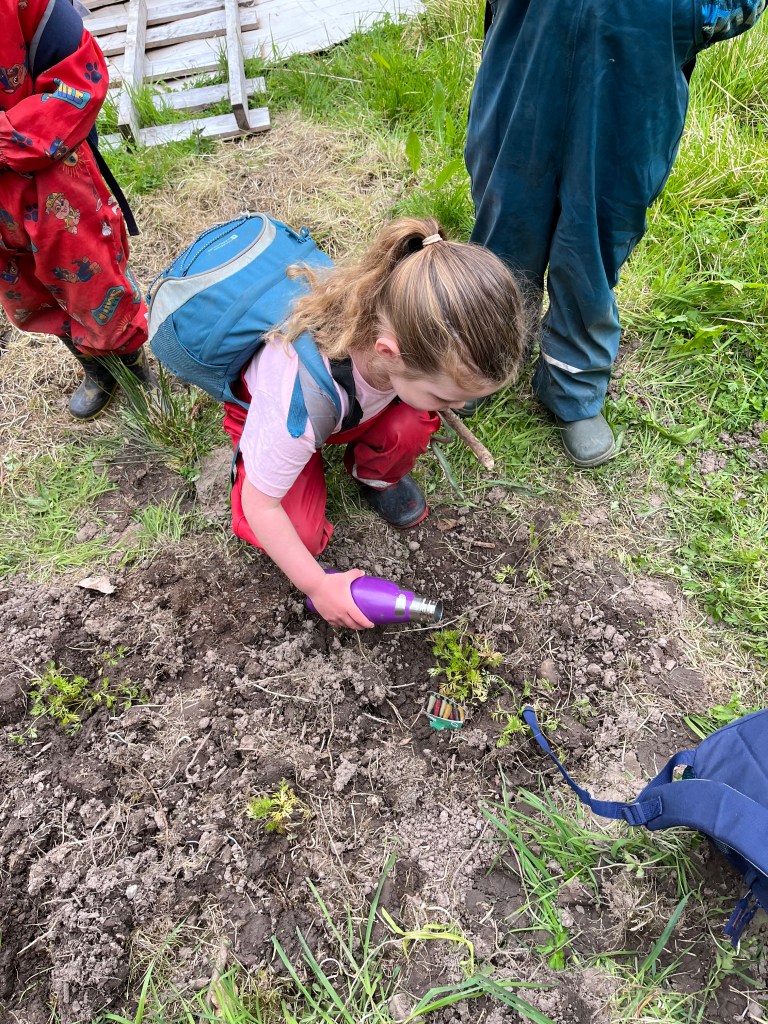
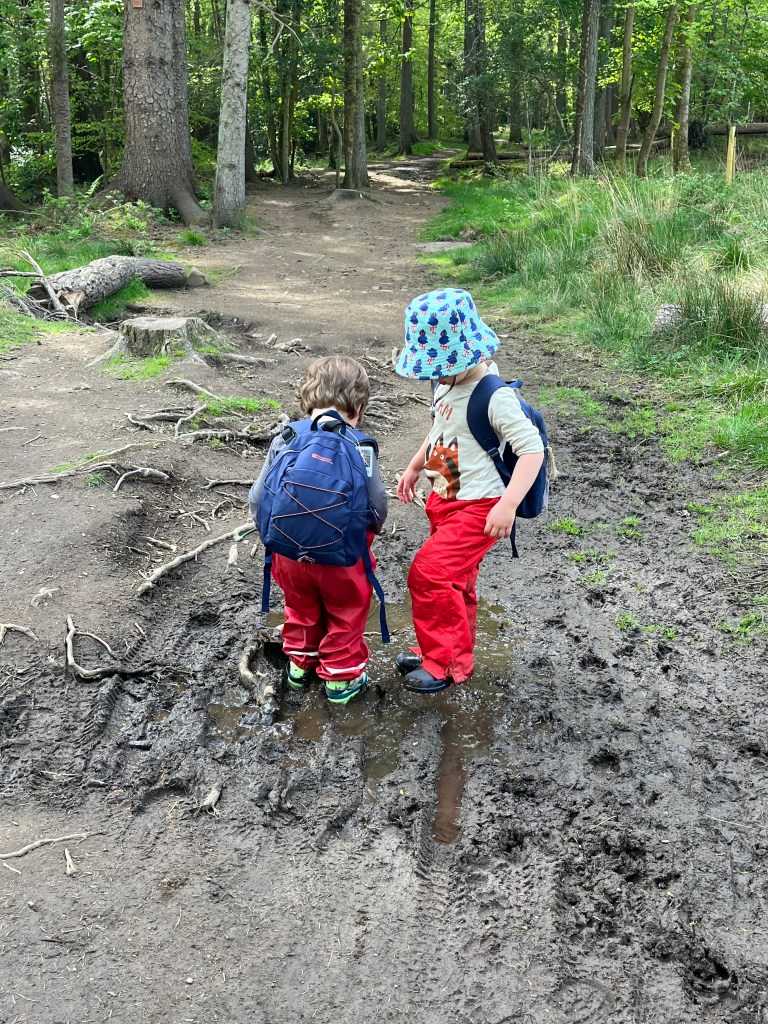
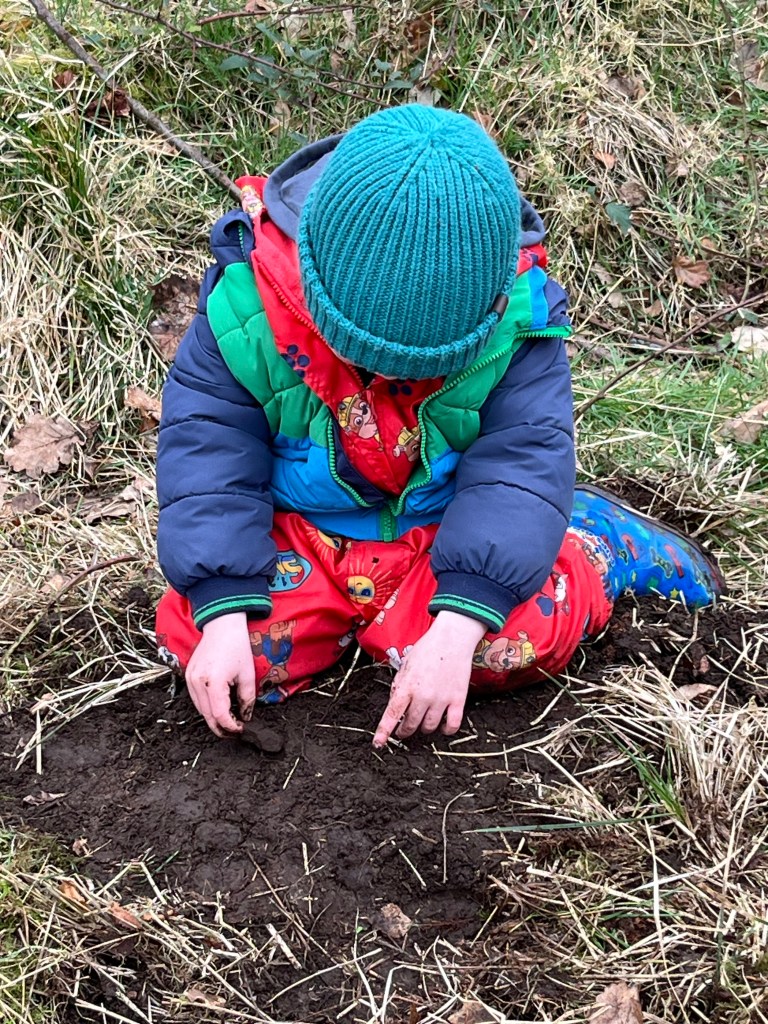
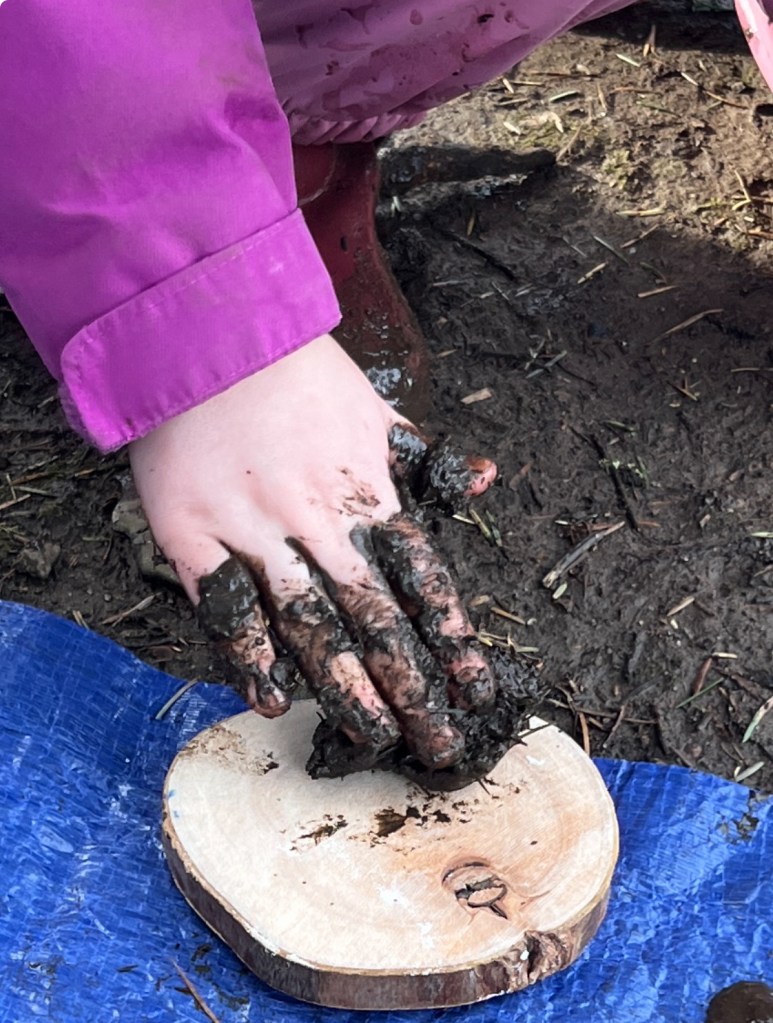
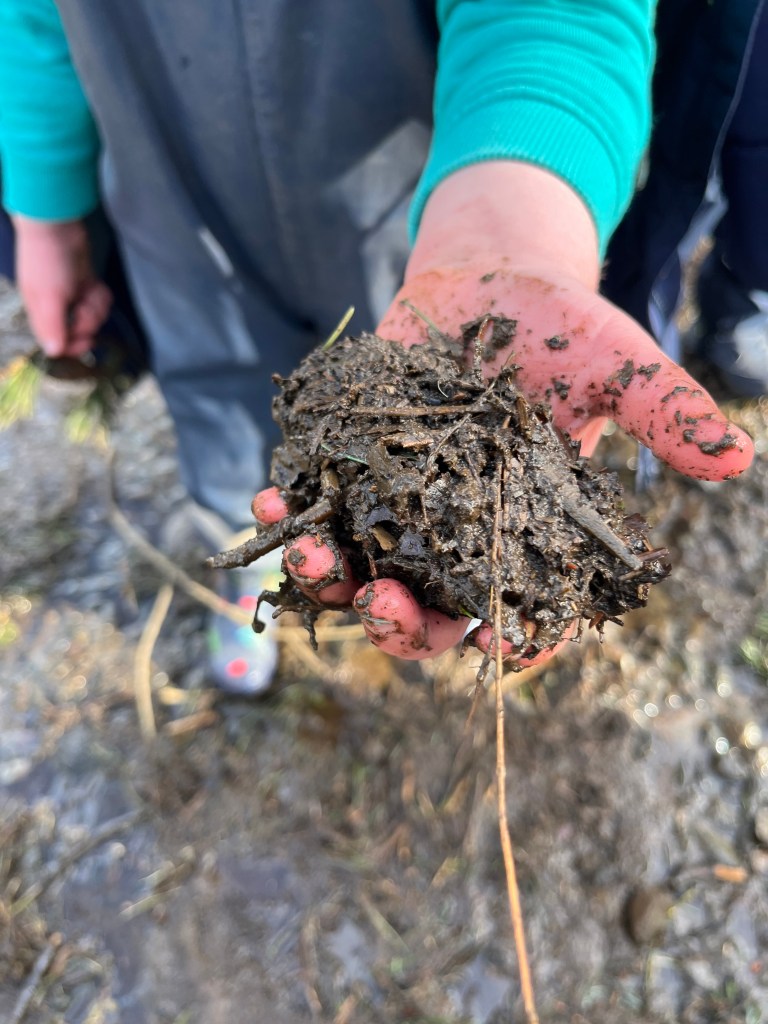
At Cambusbarron Village Nursery, we know that some of the most powerful learning doesn’t happen inside or at table—it happens in the mud. Whether it’s digging for worms, making mud pizzas, or simply squelching through puddles, we see every day how hands-on, messy play shapes healthy minds and hearts.

There’s growing recognition that safe exposure to soil can actually support children’s immune systems. Research by Dr. Graham Rook and colleagues shows that contact with soil-based microbes plays a vital role in developing healthy immune function in children (Rook, 2010), and a 2021 study found that nature-based early years programmes were linked to stronger immune markers in participants (Moore et al., 2021). But we don’t need a scientific paper to see the benefits—mud play calms busy minds, encourages focus, and helps children regulate their emotions in a sensory-rich, responsive way.

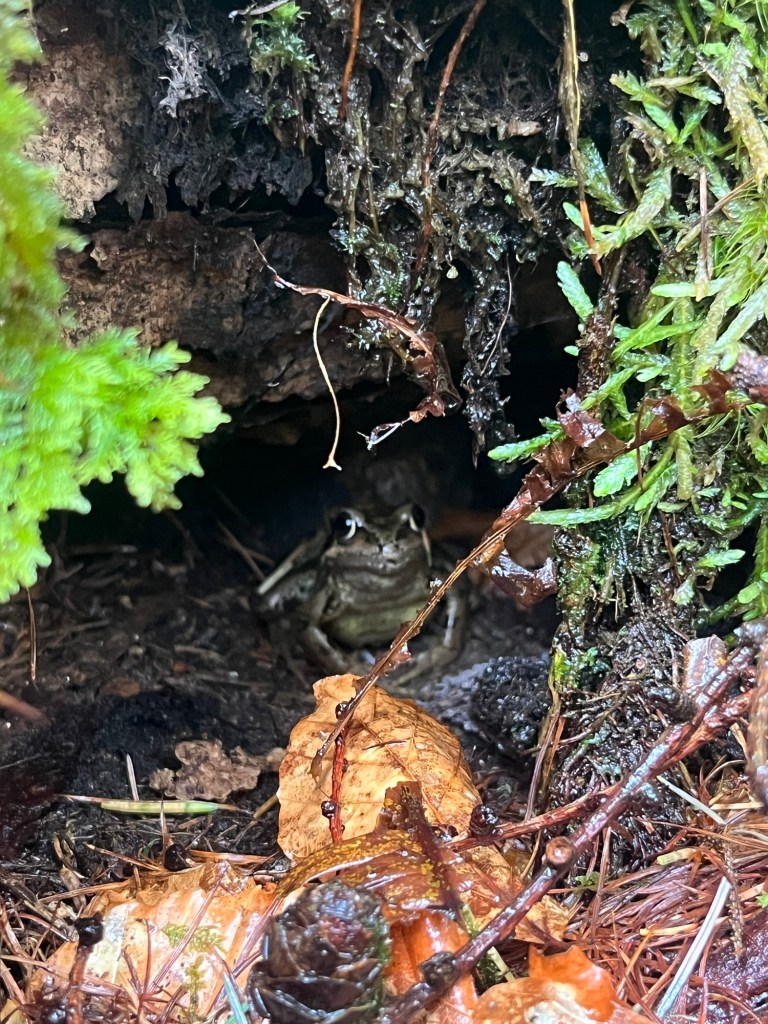
Muddy play also lays the foundations for sustainability. When children connect with the land—observing insects, caring for plants, or discovering the creatures that live just beneath the surface—they develop empathy and responsibility for the natural world. These early experiences support the values of Scotland’s Learning for Sustainability within Curriculum for Excellence, and echo UNESCO’s call for environmental learning in early childhood.

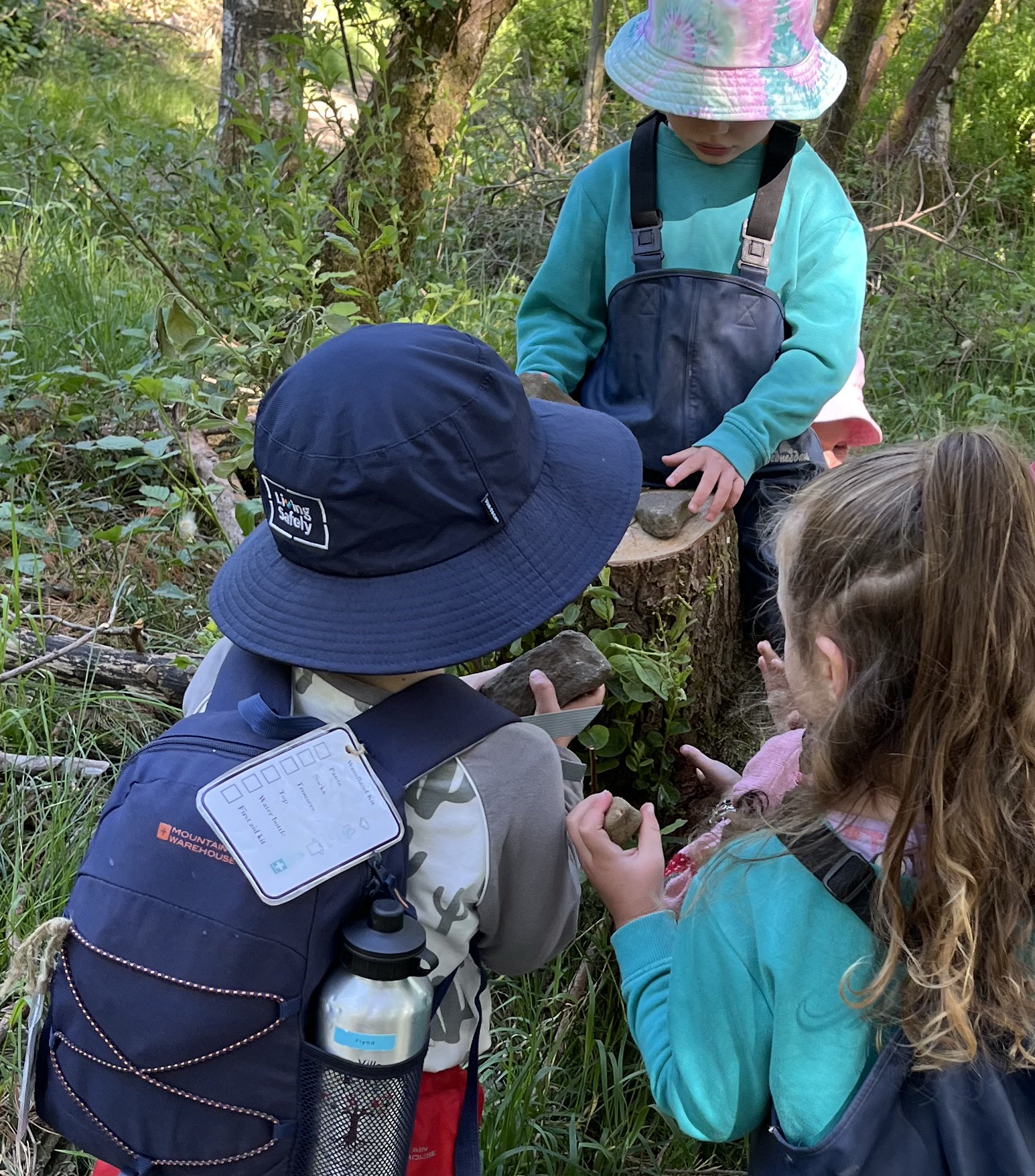
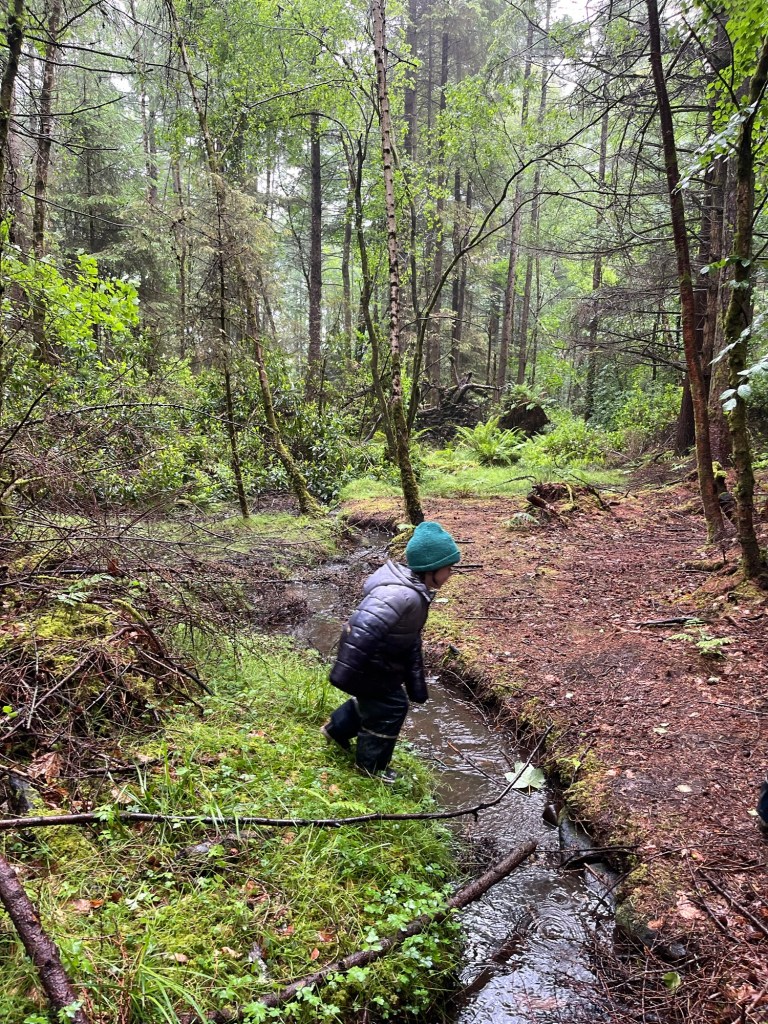
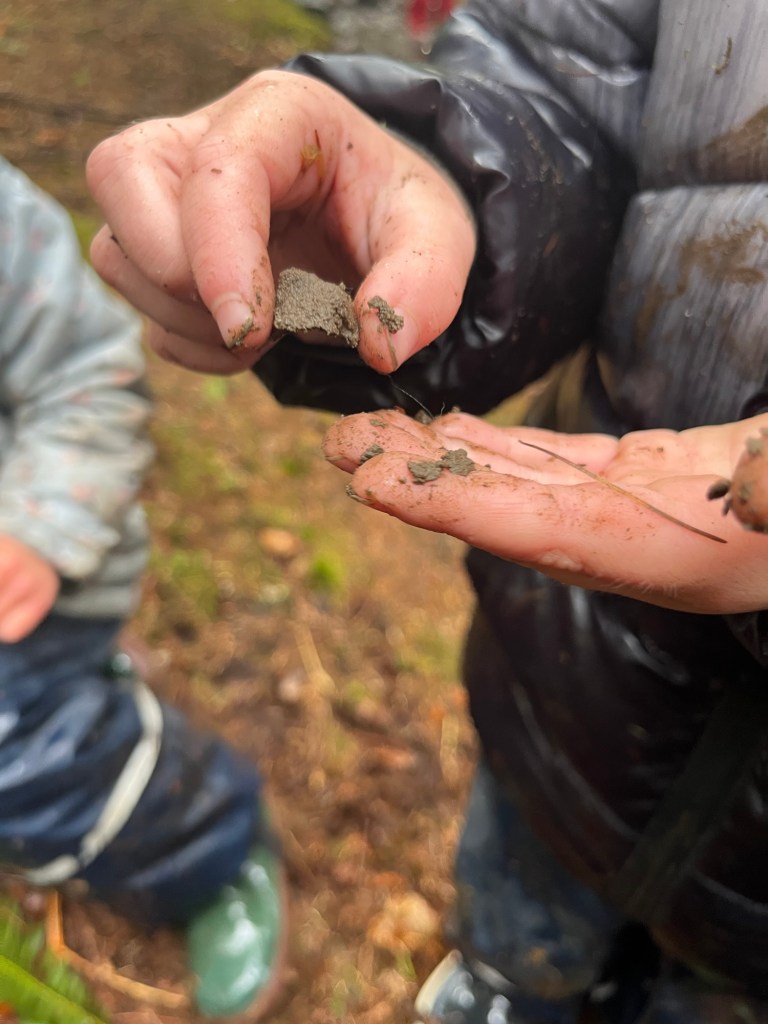
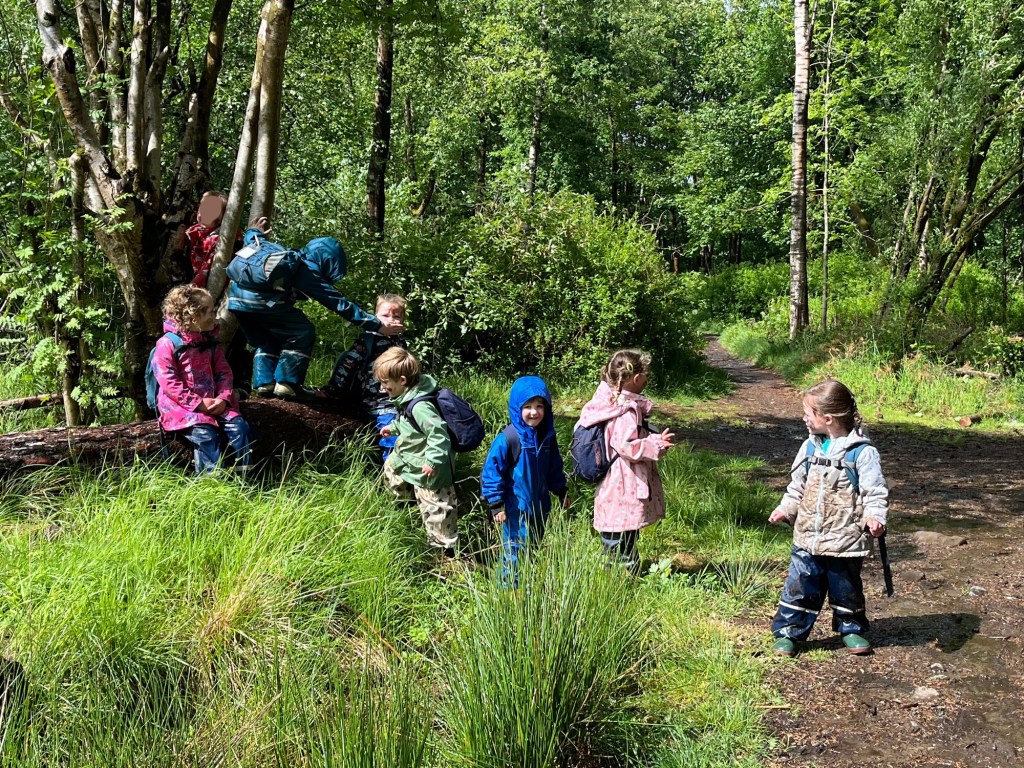
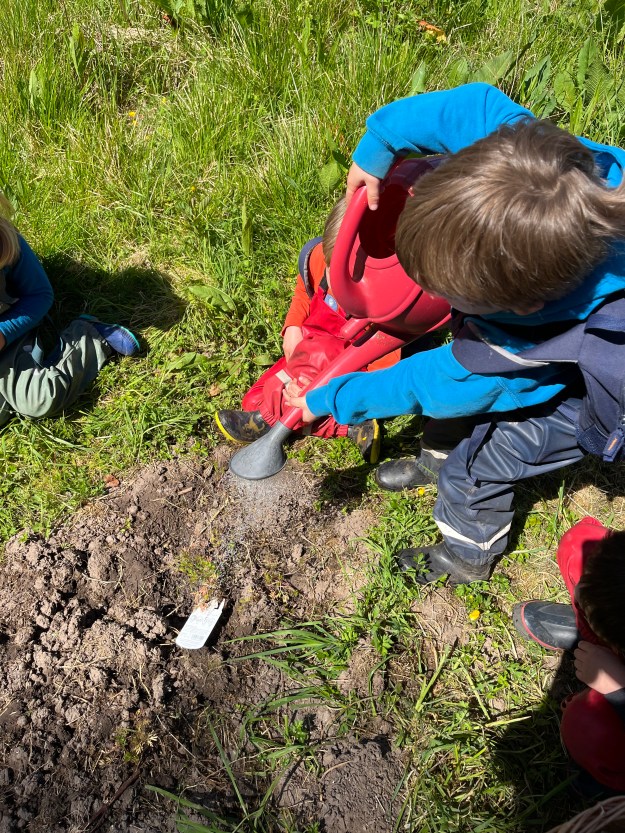
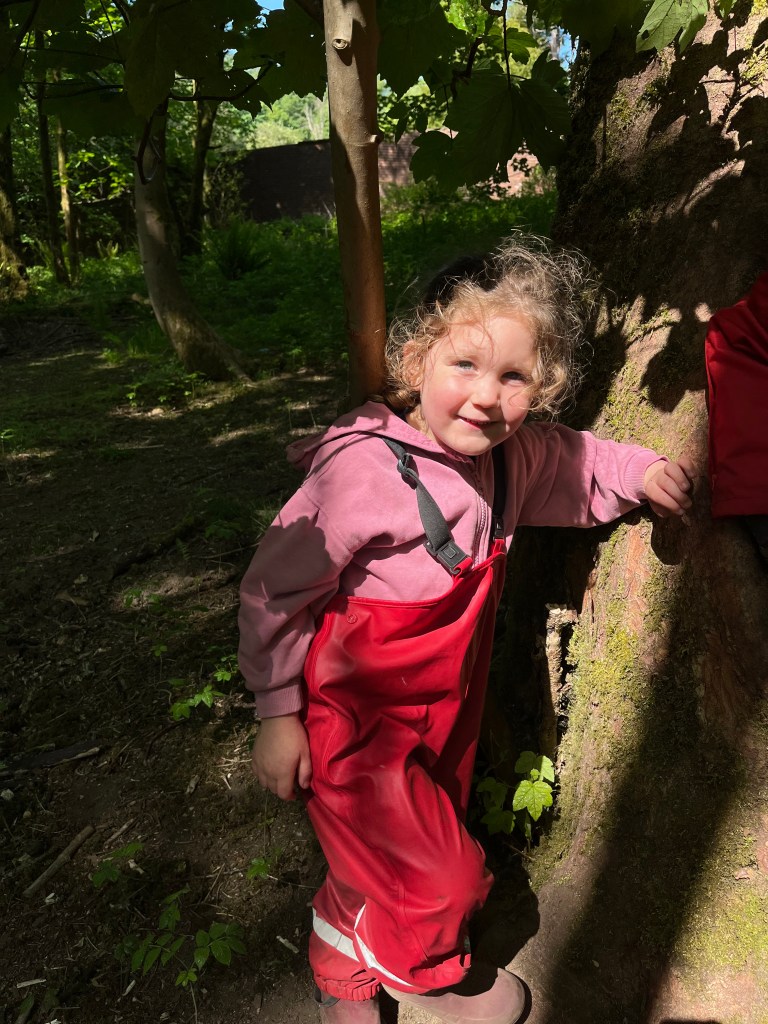
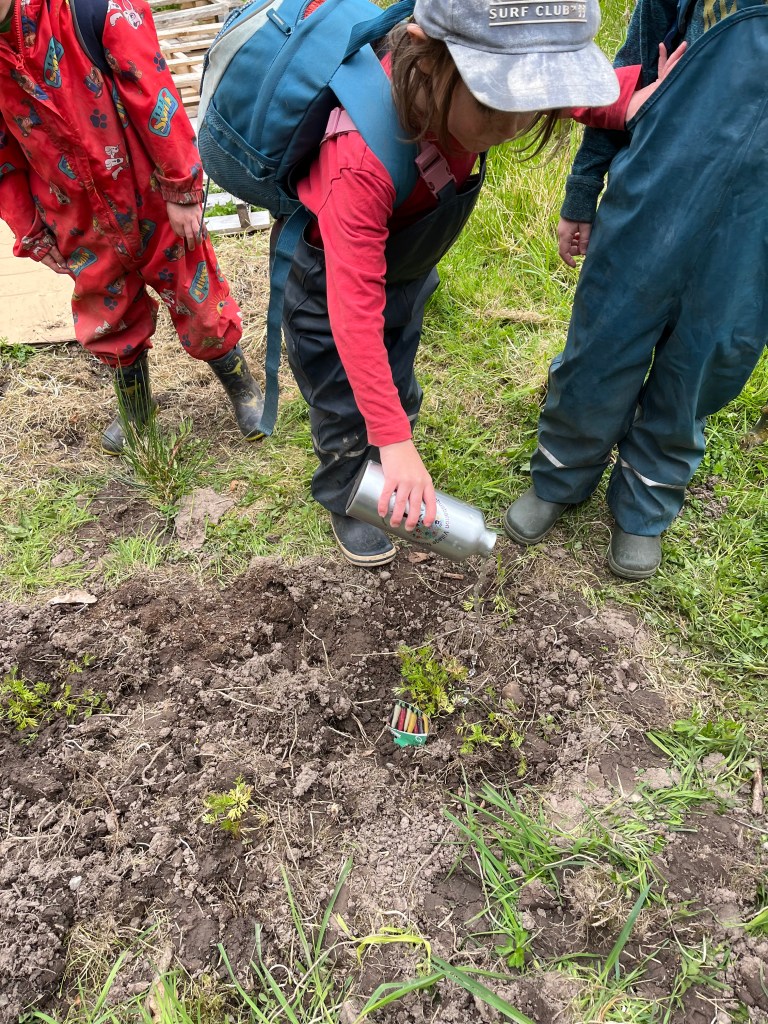
There’s a strong social and cognitive dimension to this kind of play as well. Research shows that outdoor environments foster teamwork, leadership, and creativity in early years settings (Mannion et al., 2011; White, 2014). We see it every day—children fully absorbed in their play. Holding handfuls of mud, digging with real intent or exploring mud with care and focus. Some work together in the burn, others pour water into the soil to change its texture, or stamp through the puddles just to see what happens. These moments are simple, but they’re rich in learning—problem-solving, cooperation, and deep sensory engagement with the world around them.

So the next time you see muddy clothes and faces, know this: it’s not just mess. It’s movement. It’s meaning. And it’s one of the most powerful ways children connect with the natural world.

Natural Light, Healthy Sight

A recent joint policy statement from the International Sport and Culture Association (ISCA)—alongside 13 organisations across health, education, and outdoor sectors—shows that short-sightedness in children is rising fast. And too much screen time, not enough daylight, is a big part of it.

The statement warns that half of all school-leavers in Europe could be short-sighted by 2035. But there’s hope—just two hours outdoors a day can make a huge difference.

Vision problems affect more than just eyesight—they can impact learning, confidence, friendships, and wellbeing.

This is one more reason why we do what we do: fresh air, exploring the real world, and natural light every single day. Being outdoors isn’t an extra at CVN—it’s the main event 😉

ELC Survey

The Scottish Government would like to hear about parents’ experiences and views of different types of childcare (e.g. nurseries, childminders, family centres) for children aged 0-6 before they start school.

Please see below for a link to their survey which should be completed before May 23rd 2025.

https://natcen.ac.uk/ELCparents

Be Tick Aware

Reminder : Be Tick Aware
We are aware that the woodland is home to many ticks and it is now tick season. Please check yourself and your children regularly after visiting the woodland.

Be Tick Aware

During woodland play sessions children may be exposed to ticks as they are commonly found in woodland, moorland, grassland and parks. Ticks can sometimes pass on diseases such as Lyme disease and Tick-borne encephalitis to humans. Not all ticks are infected and, if they are removed quickly and safely, the chance of illness is greatly reduced.

We strongly recommend that children wear long sleeved tops and trousers as they not only reduce the risk of tick bite they also protect against nettle stings, scrapes and scratches.

If a member of staff notices that a child has a tick during a nursery session we will contact parents to let them know. Parents should take steps to remove the tick as soon as possible. We also recommend that parents check for ticks routinely and, if found, remove as soon as possible. The safest way to do this is to use a tick removal tool commonly available in most outdoor shops and chemists.

Please see our Woodland Play Handbook (page 17) for more information. The following information and guidance may also be useful :

NHS Scotland : Tick Bites

Forestry and Land Scotland : Checking for ticks is easy

NHS Scotland guidelines : Current NHS Scotland Guidelines on Lyme Disease

Forestry Commission: Forestry Commission Identifying Ticks

The following YouTube video by a NHS Highland GP shows how to remove ticks safely :

Birch Tapping

Another fabulous day in Gillies Hill Community Woodland, today with our wonderful friend Amos Higgins. Amos brought his birch tree tapping gear with him and helped us tap some sap from birch trees. We learned so much from him today! We were able to identify birch trees in our woods from their bark. We discovered that birch sap is a little bit like blood, it is inside a birch tree in the same way blood is inside our bodies. When we drilled a hole (tap) in a tree sap comes out just like blood comes out our bodies when we get a cut or graze. We found out that birch trees produce sap at this time of year (Spring) as they get ready to make their leaves. We tried to tap a broken birch tree and found that there was no sap coming out and decided that was because it wasn’t going to be able to make any leaves 😒 We tied to tap a beech tree but there was no sap in it. The birch trees we did tap gave us cupfuls of sap and all of our children were keen to taste. We decided it tasted like water and like apples. Since trees need their sap to make leaves, we were please to find out that they are able to stop leaking themselves. We’re going to go and check the trees are all ok tomorrow!

Planting Conker Trees

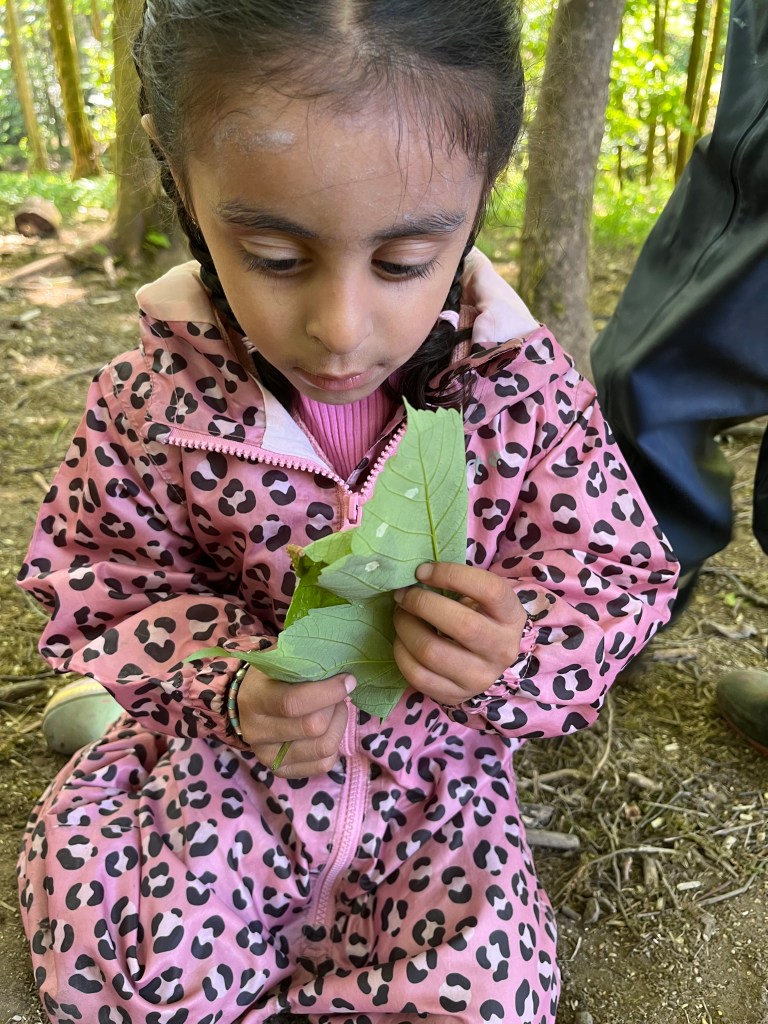
We had a wonderfully busy day today helping plant some more trees in our woodland. Today we were asked to plant some horse chestnut or conker trees that Cambusbarron Community Development Trust had been growing in pots. We worked hard digging the holes and then tapping on the bottom of the pots to free the conker roots and then planting the baby trees in the ground. We spotted lots of other plants in the pots and checked out how different all of their roots looked.

We noticed how warm we were when we were working hard and wondered how big our muscles will be with all the digging we were doing. We also wonder how long it will take for our conker trees to grow conkers. We’ll decided to come back and check on them tomorrow.

Emma is back!

It’s been a long time since we’ve seen our friend Emma the Ladybird in the woods so we were delighted to spot(😆) her today along with some other treasures that included some signs of winter and some of spring!!

Storm Eowyn Damage

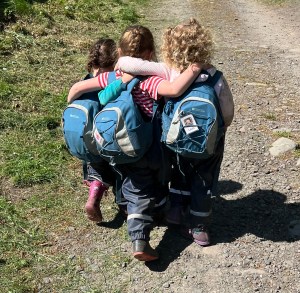
We took a walk around the woods today to see some of the damage that Storm Eowyn caused. We saw that many trees had fallen down and some of the places we like to play now look very different. It was hard work walking around the fallen trees. We had to keep looking all around and up above us to make sure we were still safe.
We were amazed at how tall the trees are, how big their root plates are and how deep the holes they left are. We stood beside them to measure them and they were bigger even than the grown ups.
We were pleased to meet with some of the volunteers who are working so hard around the woods to clear paths and make the woods as safe as they can for us all to access. Yesterday we made biscuits to take up to say “Thank You” to them for all their hard work and we were pleased that they had time to sit and shared a picnic with us.