
At Cambusbarron Village Nursery, we know that some of the most powerful learning doesn’t happen inside or at table—it happens in the mud. Whether it’s digging for worms, making mud pizzas, or simply squelching through puddles, we see every day how hands-on, messy play shapes healthy minds and hearts.
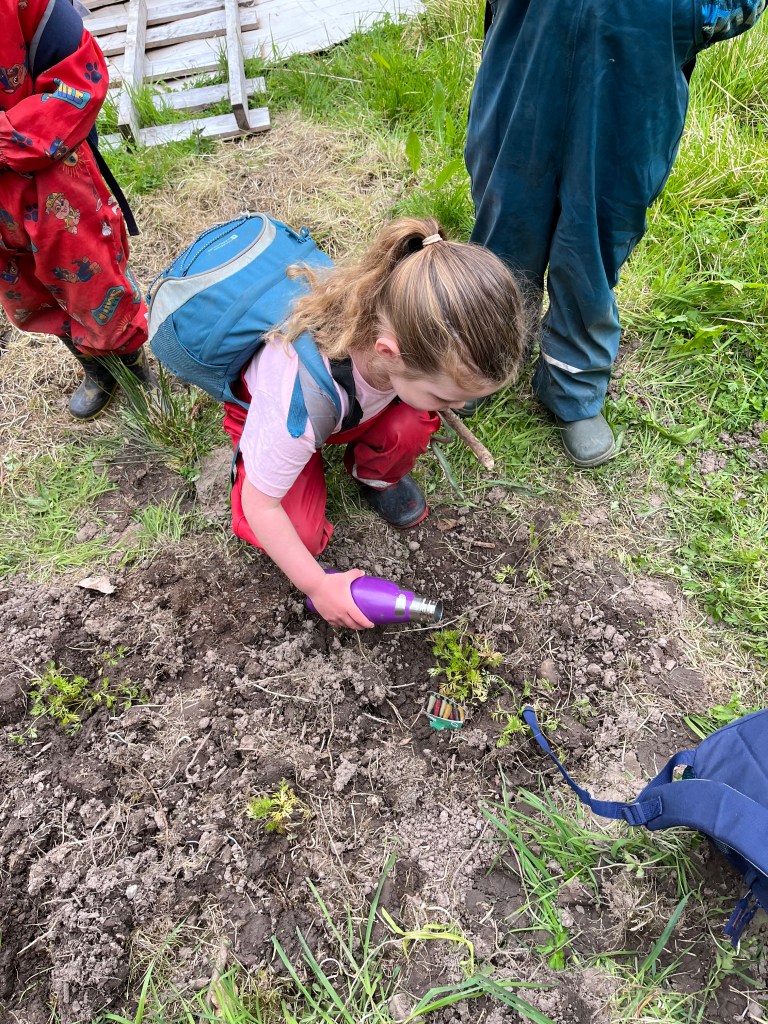
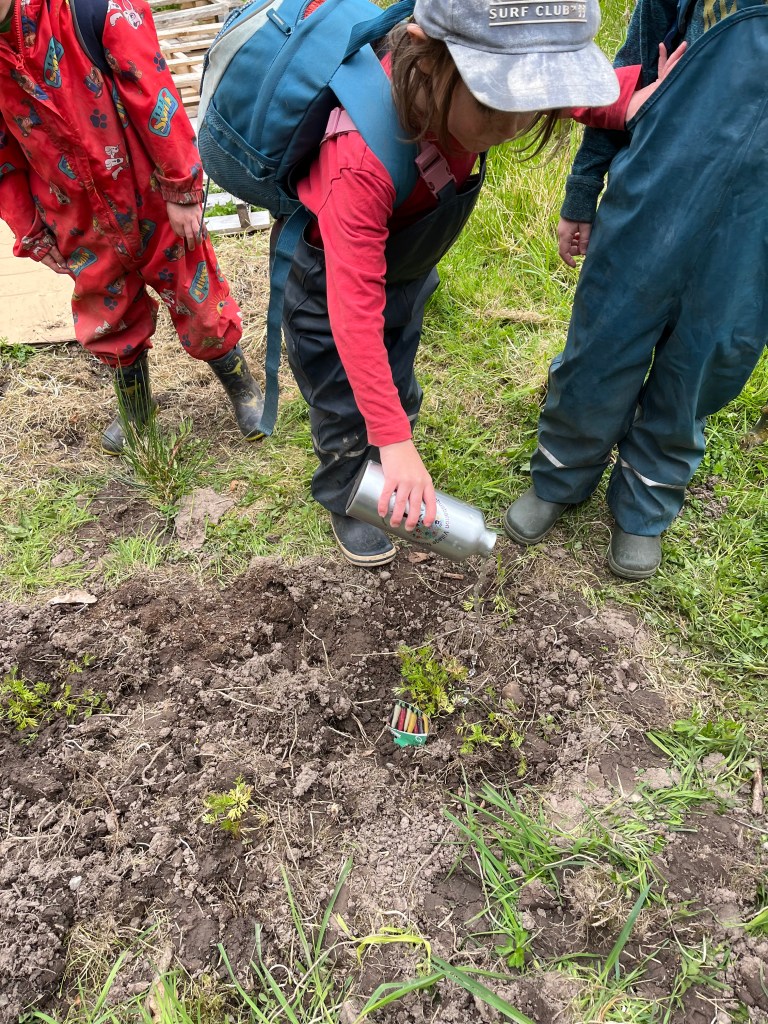
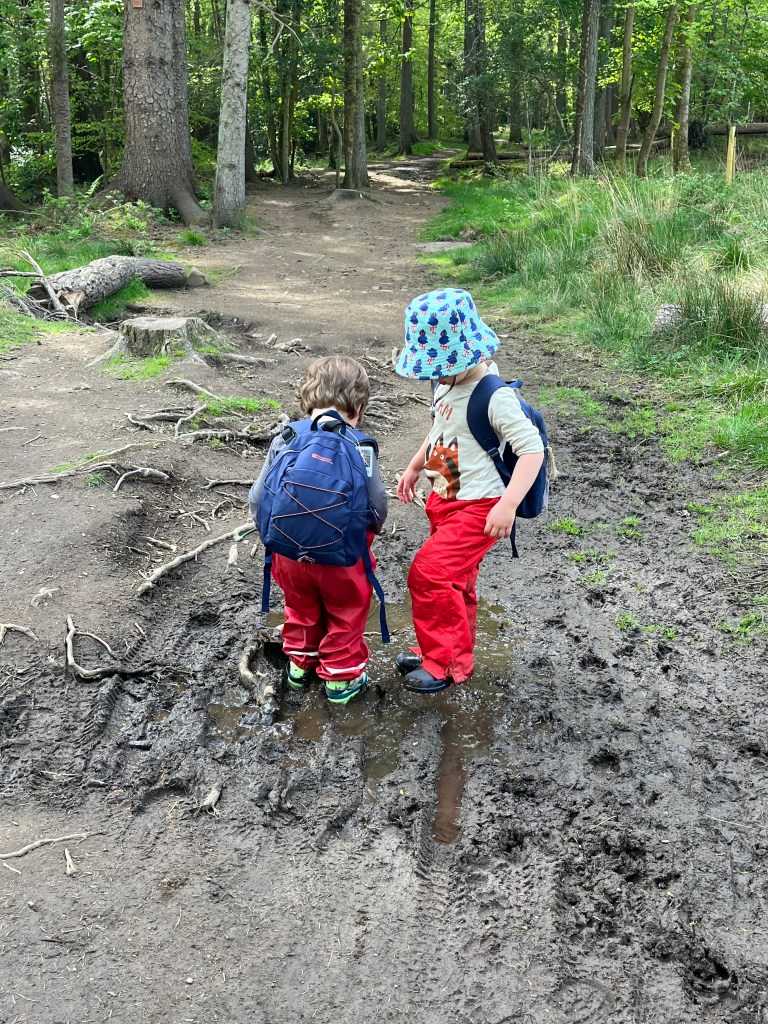

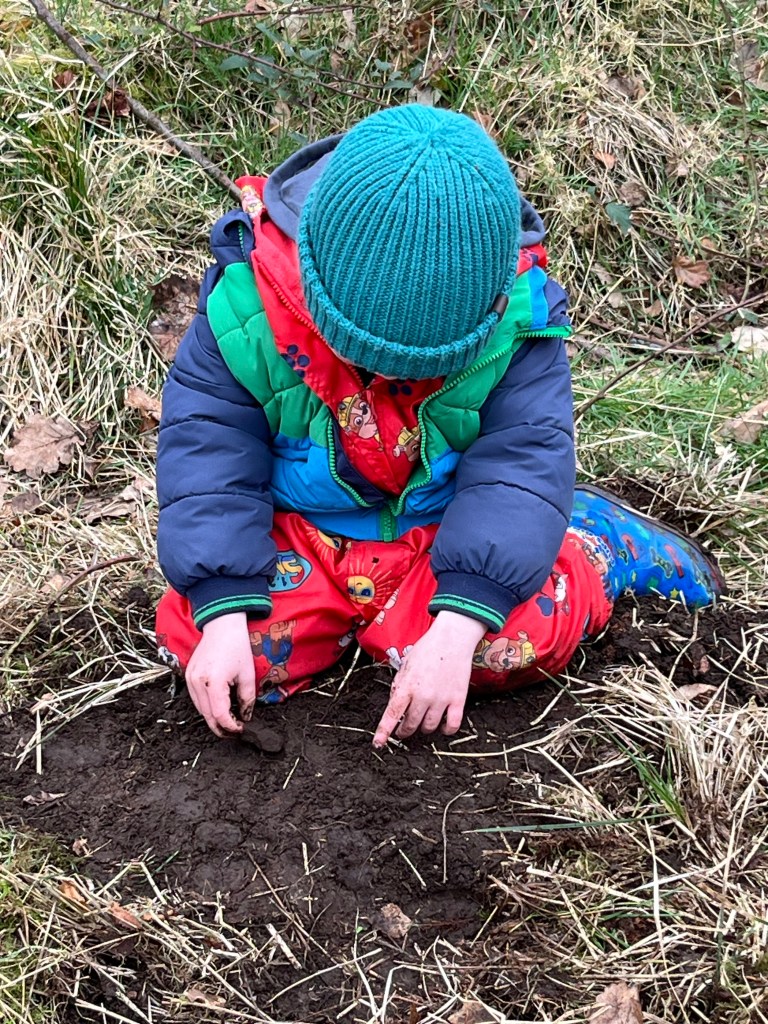
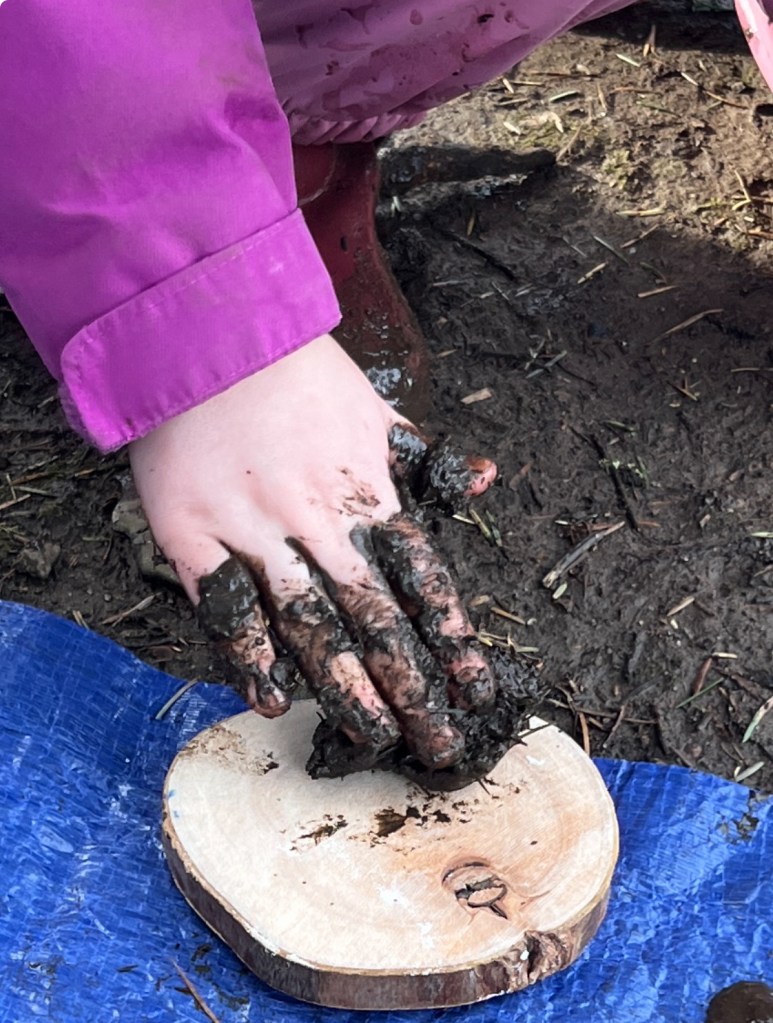
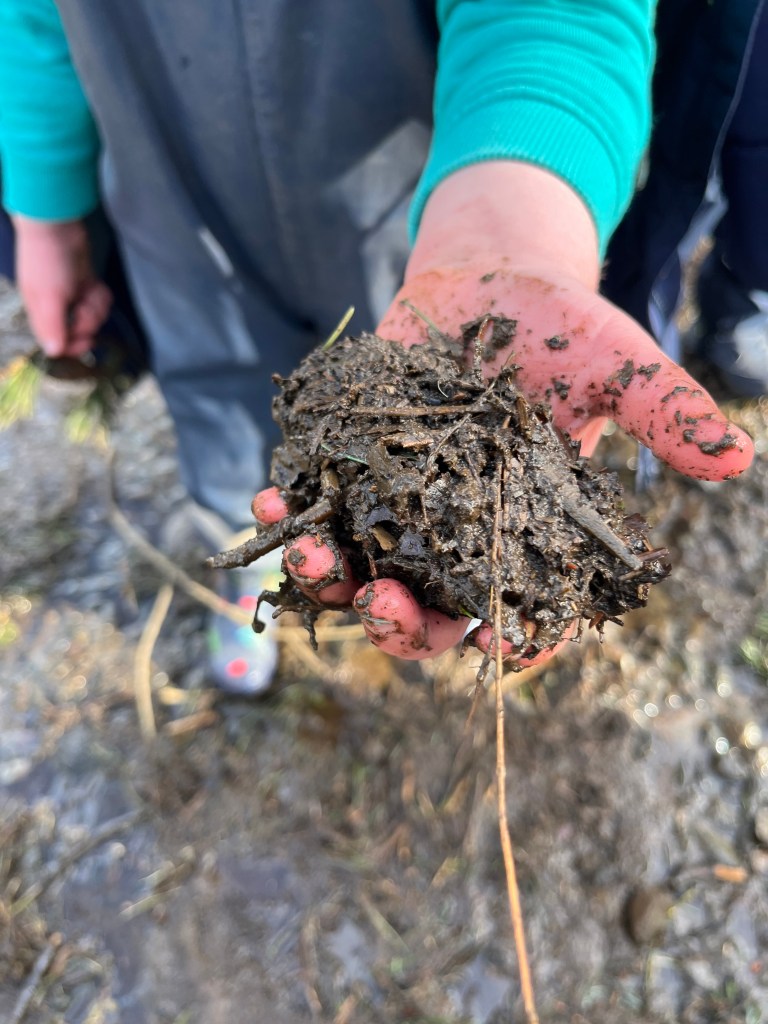
There’s growing recognition that safe exposure to soil can actually support children’s immune systems. Research by Dr. Graham Rook and colleagues shows that contact with soil-based microbes plays a vital role in developing healthy immune function in children (Rook, 2010), and a 2021 study found that nature-based early years programmes were linked to stronger immune markers in participants (Moore et al., 2021). But we don’t need a scientific paper to see the benefits—mud play calms busy minds, encourages focus, and helps children regulate their emotions in a sensory-rich, responsive way.
Muddy play also lays the foundations for sustainability. When children connect with the land—observing insects, caring for plants, or discovering the creatures that live just beneath the surface—they develop empathy and responsibility for the natural world. These early experiences support the values of Scotland’s Learning for Sustainability within Curriculum for Excellence, and echo UNESCO’s call for environmental learning in early childhood.
There’s a strong social and cognitive dimension to this kind of play as well. Research shows that outdoor environments foster teamwork, leadership, and creativity in early years settings (Mannion et al., 2011; White, 2014). We see it every day—children fully absorbed in their play. Holding handfuls of mud, digging with real intent or exploring mud with care and focus. Some work together in the burn, others pour water into the soil to change its texture, or stamp through the puddles just to see what happens. These moments are simple, but they’re rich in learning—problem-solving, cooperation, and deep sensory engagement with the world around them.
So the next time you see muddy clothes and faces, know this: it’s not just mess. It’s movement. It’s meaning. And it’s one of the most powerful ways children connect with the natural world.
 Cambusbarron Village Nursery