Category Archives: WPS

Be Tick Aware

During woodland play sessions children may be exposed to ticks as they are commonly found in woodland, moorland, grassland and parks. Ticks can sometimes pass on diseases such as Lyme disease and Tick-borne encephalitis to humans. Not all ticks are infected and, if they are removed quickly and safely, the chance of illness is greatly reduced.

We strongly recommend that children wear long sleeved tops and trousers as they not only reduce the risk of tick bite they also protect against nettle stings, scrapes and scratches.

If a member of staff notices that a child has a tick during a nursery session we will contact parents to let them know. Parents should take steps to remove the tick as soon as possible. We also recommend that parents check for ticks routinely and, if found, remove as soon as possible. The safest way to do this is to use a tick removal tool commonly available in most outdoor shops and chemists.

Please see our Woodland Play Handbook (page 17) for more information. The following information and guidance may also be useful :

NHS Scotland : Tick Bites

Forestry and Land Scotland : Checking for ticks is easy

NHS Scotland guidelines : Current NHS Scotland Guidelines on Lyme Disease

Forestry Commission: Forestry Commission Identifying Ticks

The following YouTube video by a NHS Highland GP shows how to remove ticks safely :

Scottish Junior Forestry Award

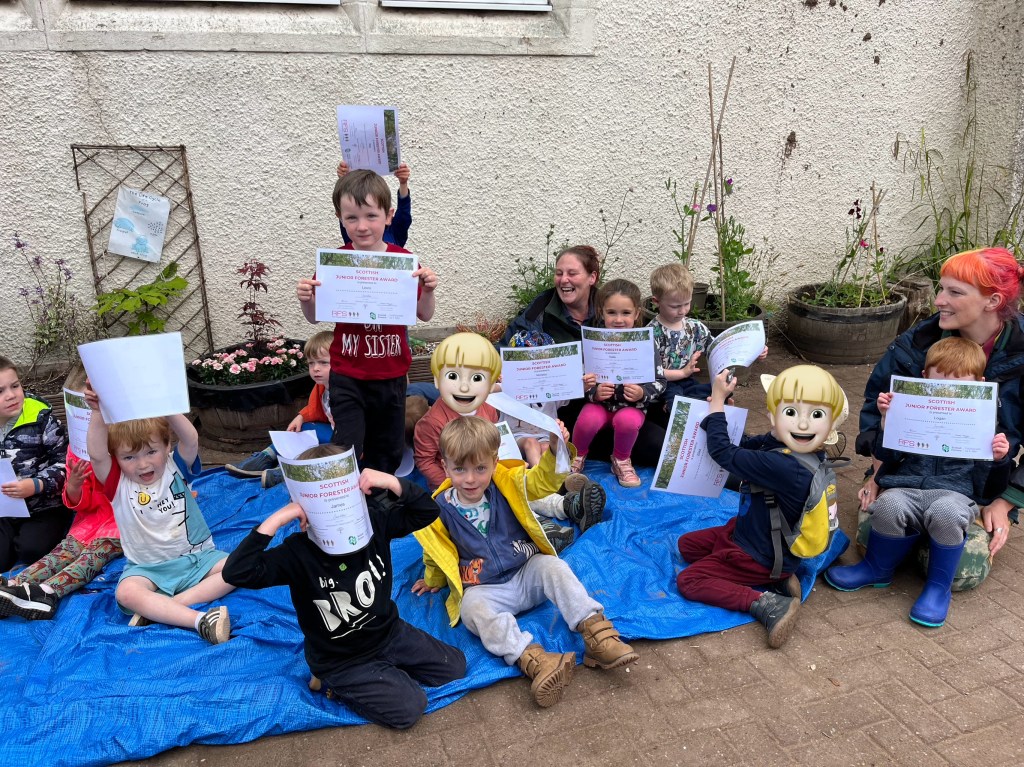
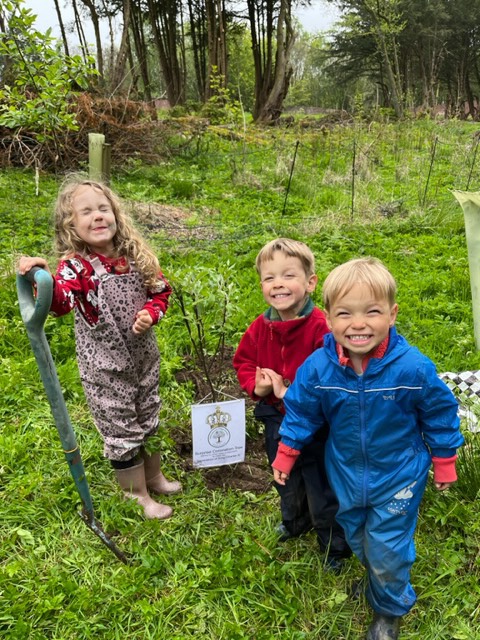
Over the course of this year all of our children have had the opportunity to work towards their Scottish Junior Forester Award. Through the award children have learned to identify and manage risk (eg where is it safe for us to play, what plants are dangerous or might hurt us), tree and plant ID (eg oak, sycamore, holly, wood sorrel, foxgloves), woodland habitats (making a bug hotel), woodland management (tree planting and felling), tool use (how to use tools safely and responsibly) and building things out of wood (dens, bug hotels).
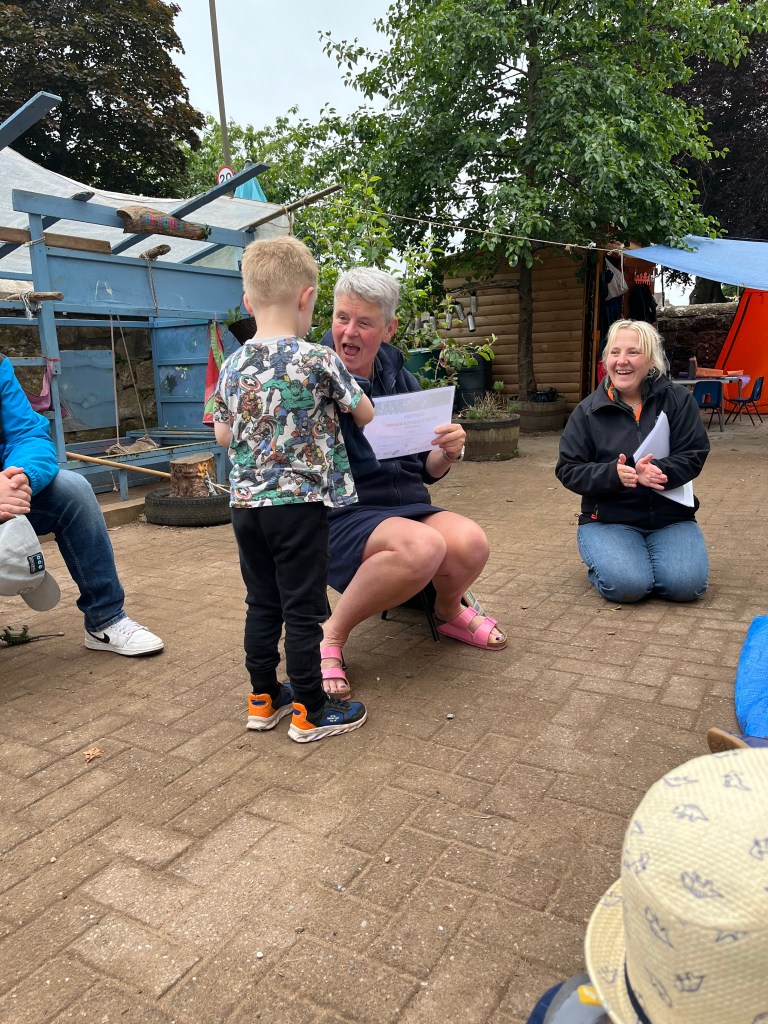
We were very proud to be able to hand over certificates to some of our children today as evidence of all of their hard work and learning.

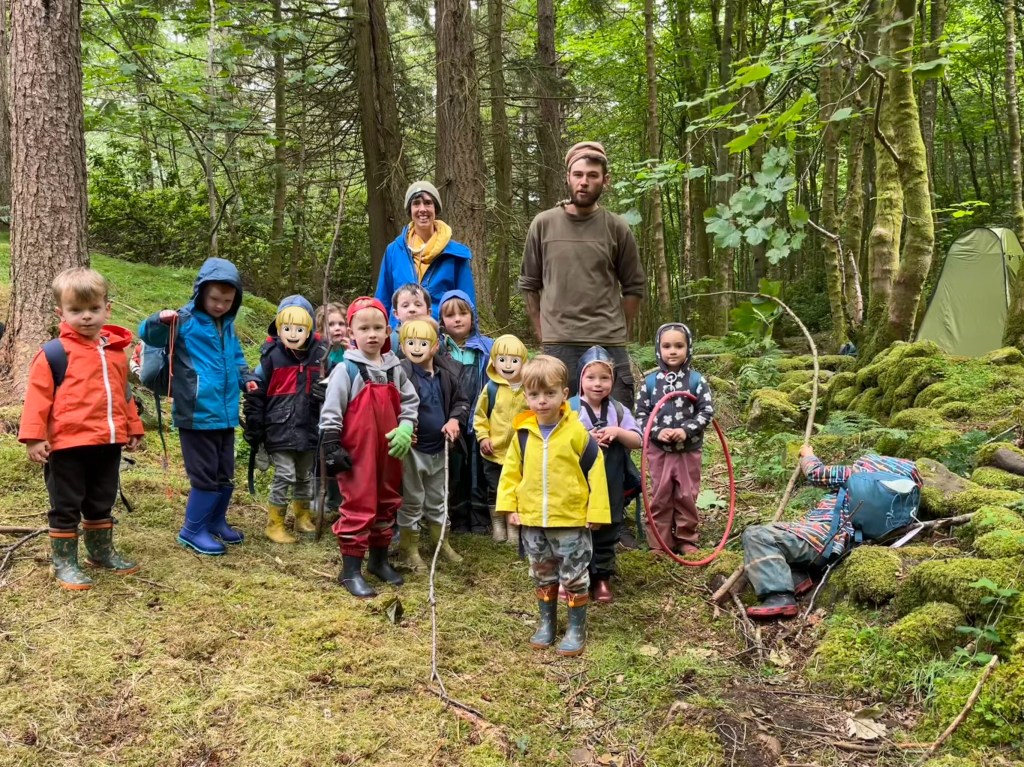
We would also like to thank “Woods” Katie and Amos Higgins for supporting our children’s learning and experiences in completing the award. We had such amazing times with them in the woods while they were working towards their Forest Leader qualifications.

Campfire and Food Safety Training

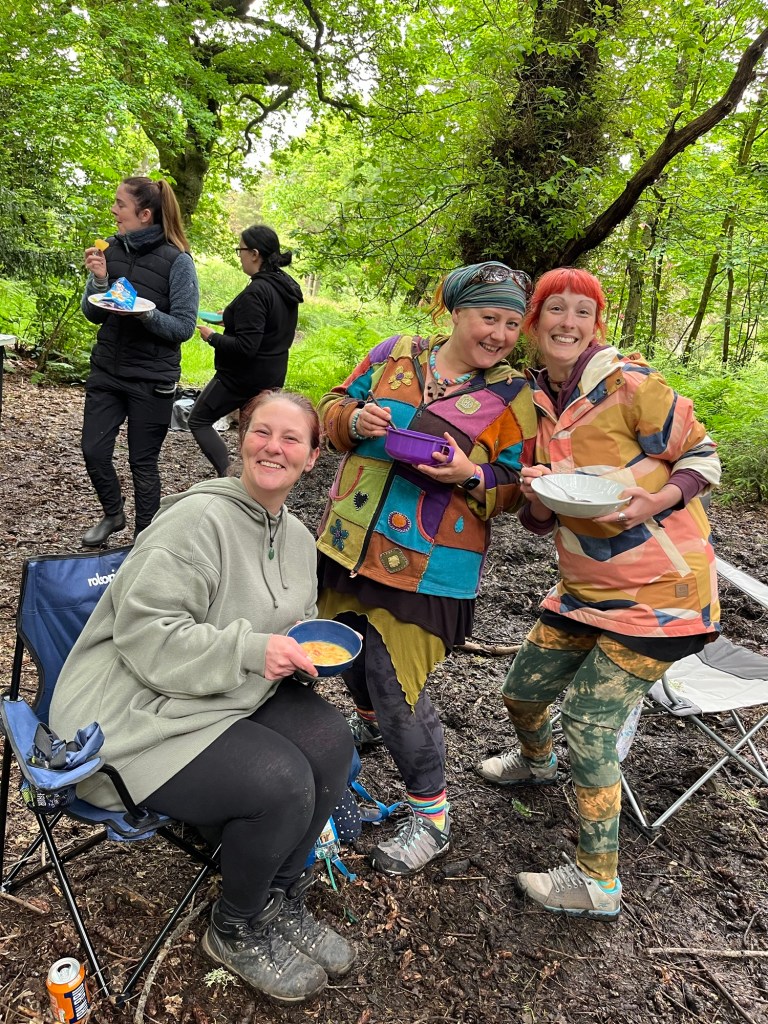
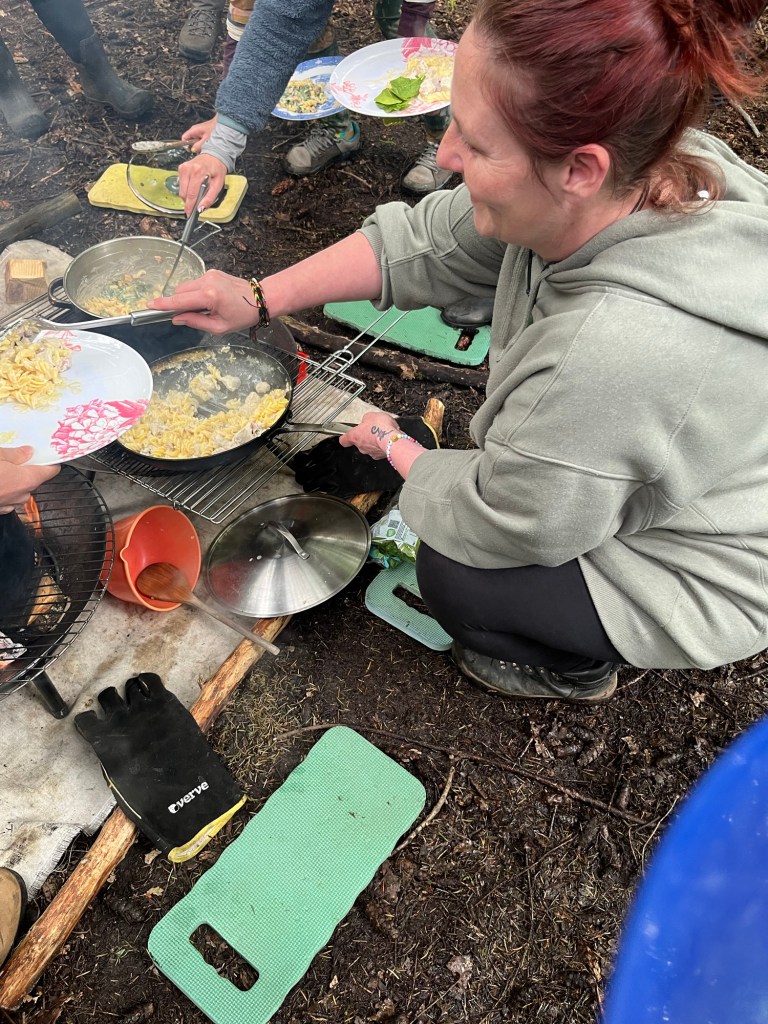
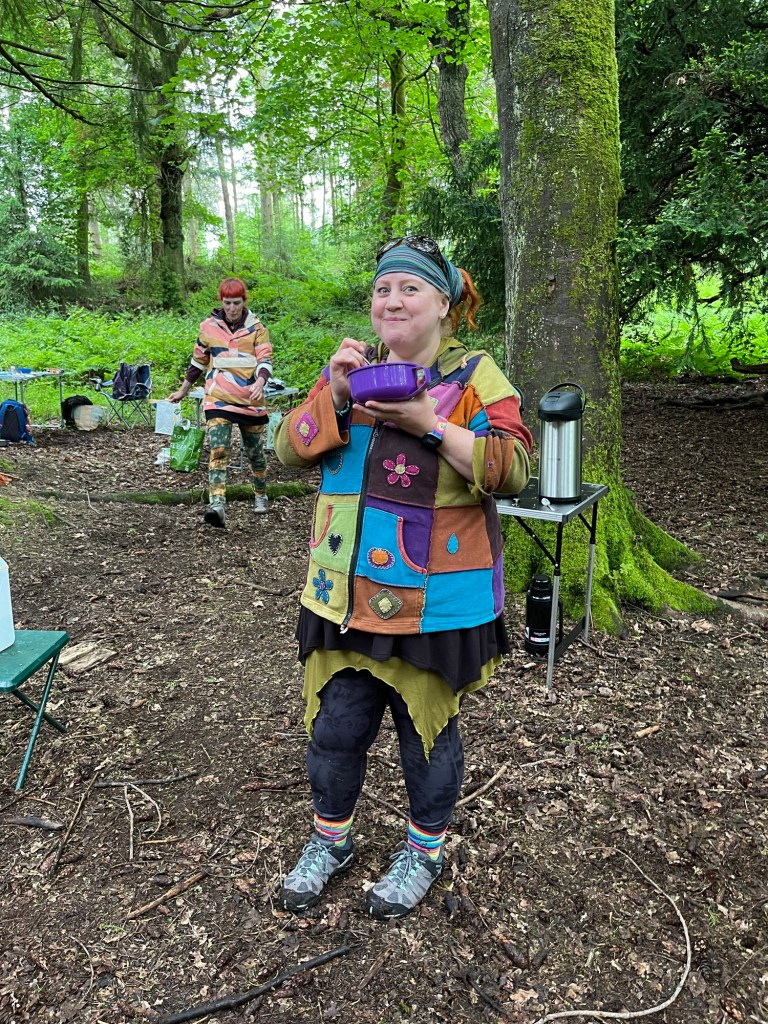
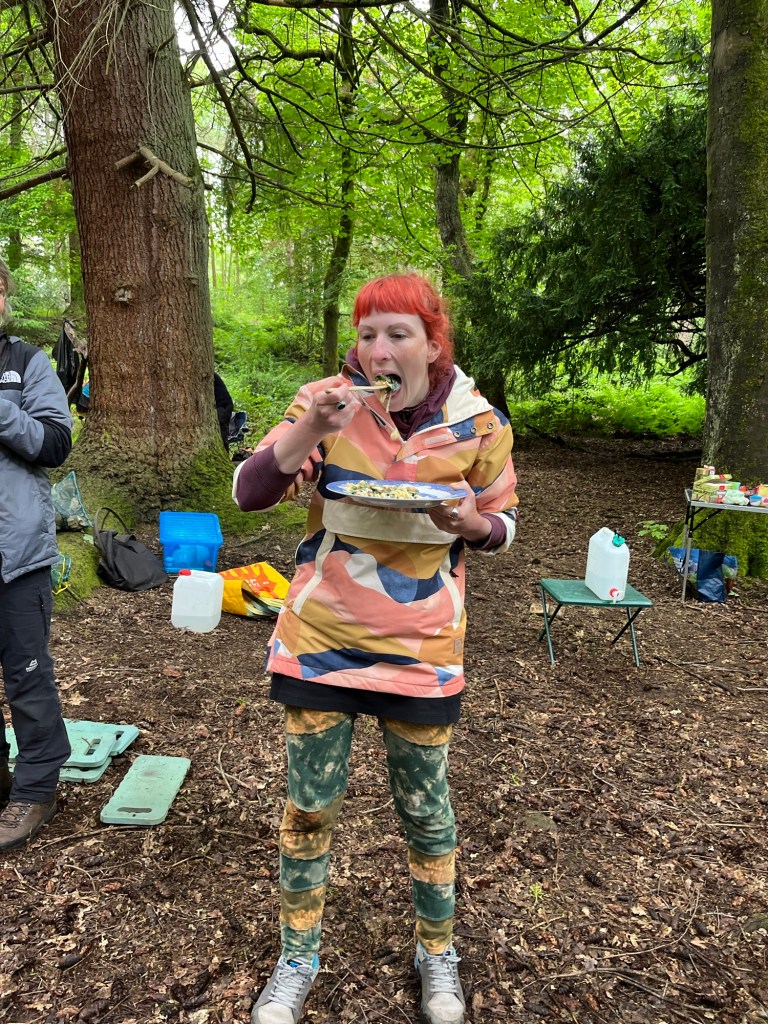
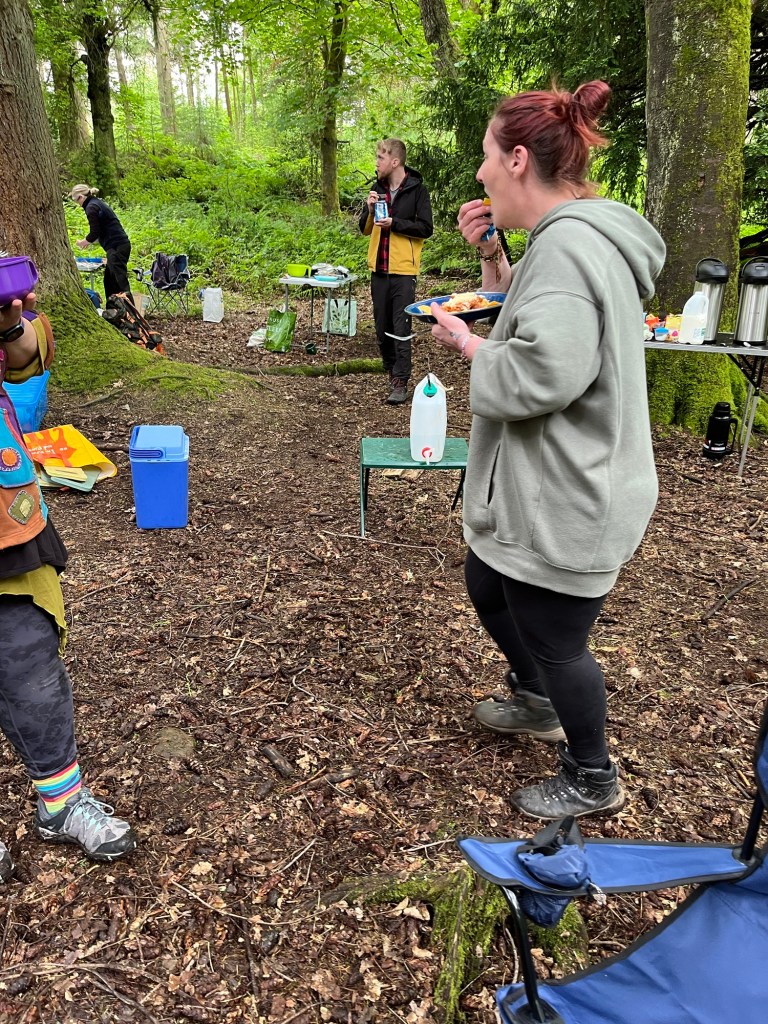
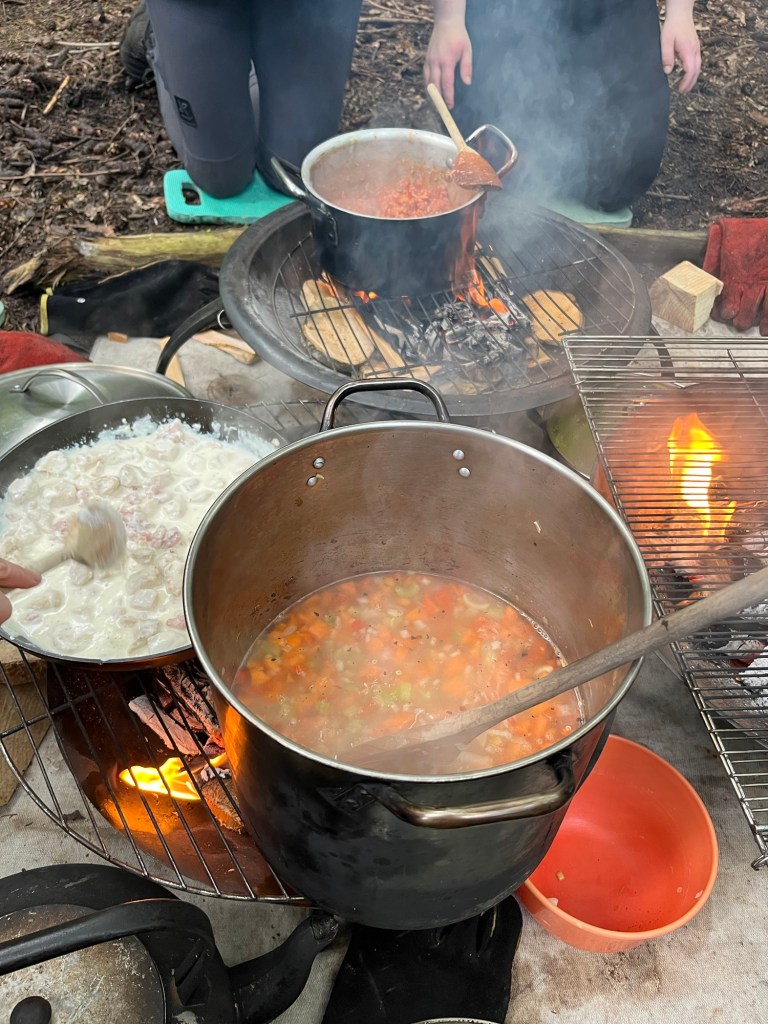
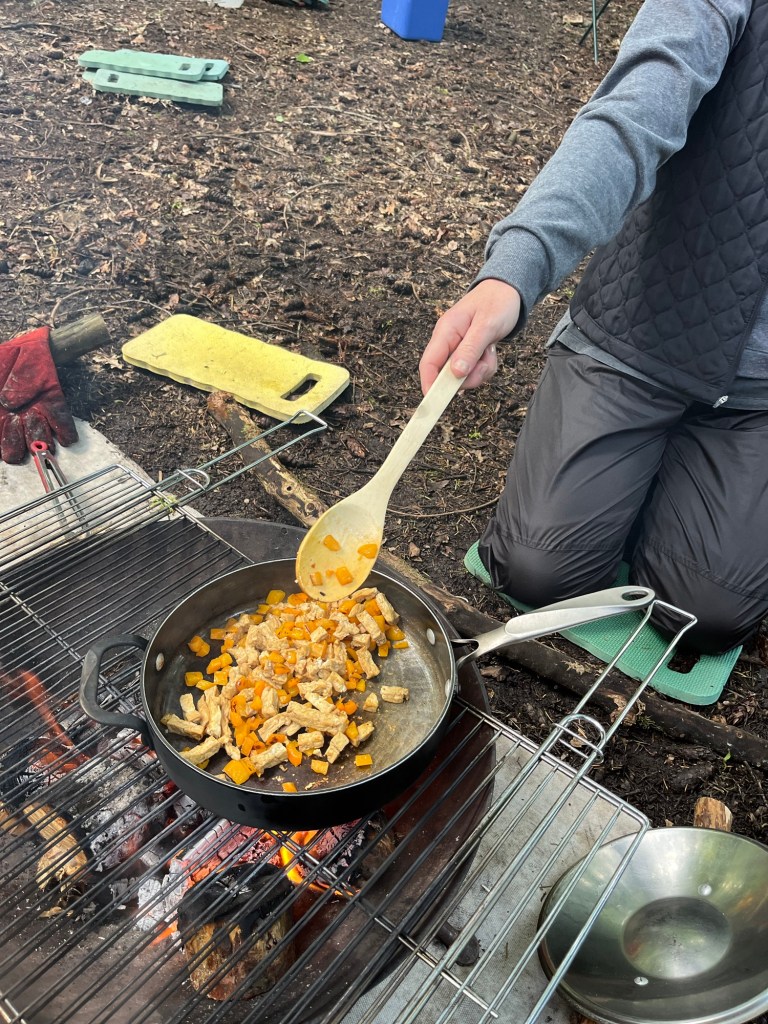
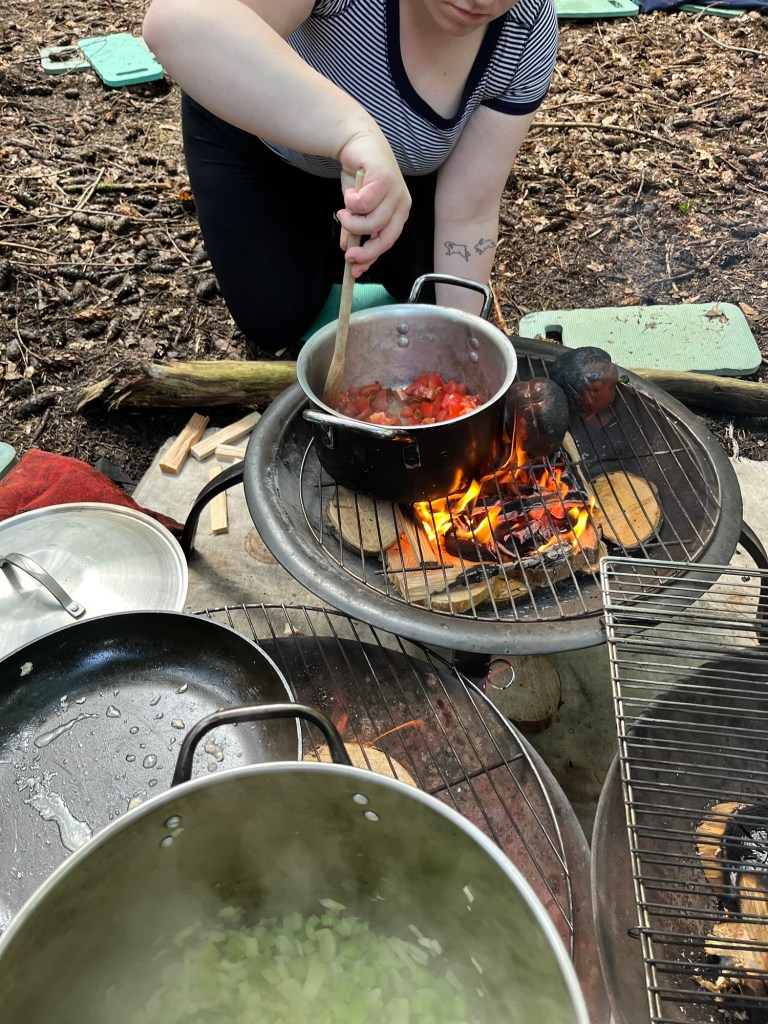
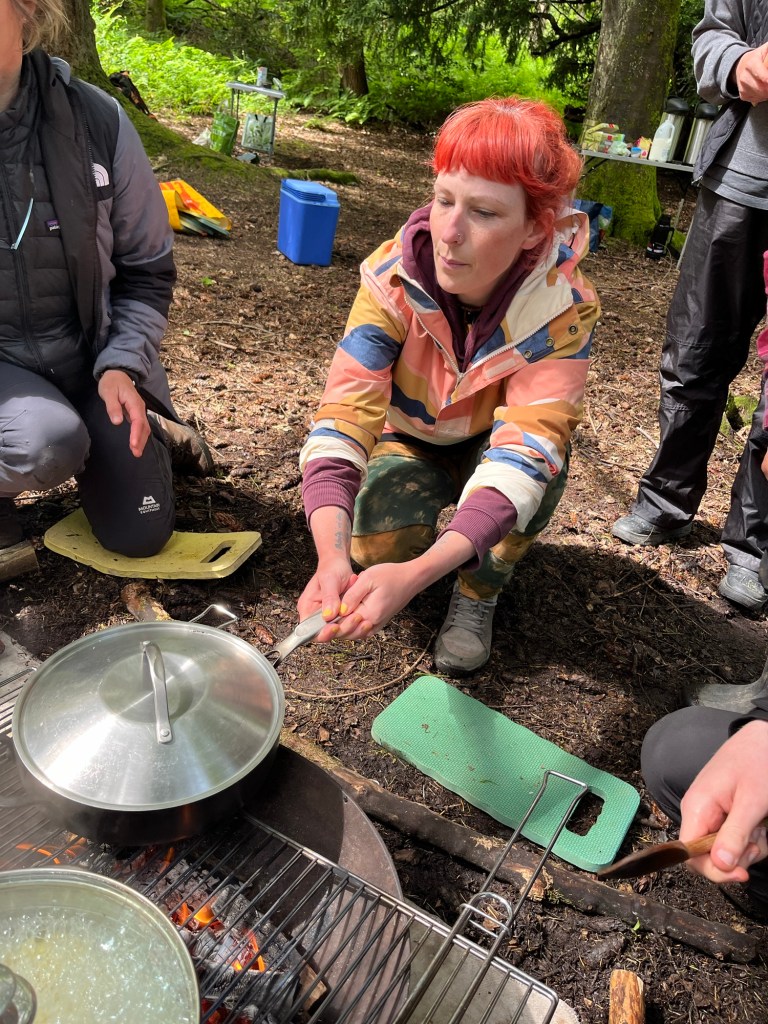
TeamCVN are continuing to develop their repertoire of skills. Today we were undertaking campfire and outdoor food hygiene training while cooking a 5 course lunch over a campfire! TeamCVN took on 4 of these, Jane on soup, Lynda on chicken pasta, Katie on a vegan pasta dish and Helen on chocolate brownies. Even if we say so ourselves it was all pretty tasty.
What’s not to love about a day spent in the woodland with a group of like minded people and accompanied by some great food 🥰.

Be Tick Aware

During woodland play sessions children may be exposed to ticks as they are commonly found in woodland, moorland, grassland and parks. Ticks can sometimes pass on diseases such as Lyme disease and Tick-borne encephalitis to humans. Not all ticks are infected and, if they are removed quickly and safely, the chance of illness is greatly reduced.

We strongly recommend that children wear long sleeved tops and trousers as they not only reduce the risk of tick bite they also protect against nettle stings, scrapes and scratches.

If a member of staff notices that a child has a tick during a nursery session we will contact parents to let them know. Parents should take steps to remove the tick as soon as possible. We also recommend that parents check for ticks routinely and, if found, remove as soon as possible. The safest way to do this is to use a tick removal tool commonly available in most outdoor shops and chemists.

Please see our Woodland Play Handbook (page 17) for more information. The following information and guidance may also be useful :

NHS Scotland : Tick Bites

Forestry and Land Scotland : Checking for ticks is easy

NHS Scotland guidelines : Current NHS Scotland Guidelines on Lyme Disease

Forestry Commission: Forestry Commission Identifying Ticks

The following YouTube video by a NHS Highland GP shows how to remove ticks safely :

Echoes Ecology Visit

We are pleased to say that Kay and Heather are back on site for us today updating the Preliminary Ecological Appraisal (PEA) they conducted for us last year. This documents the range of habitats present and looks for signs of any protected species and also suggests improvements that can be made to benefit wildlife in the environment. Last year’s report stated that “There was no field evidence of protected species found during the survey. There is suitable habitat for nesting birds and commuting and foraging for bats” and that no follow up surveys were recommended. Today Kay and Heather are updating their report to include a survey of the area to the other side of the walled garden where we plan to locate the shelter for our outdoor nursery.

Preliminary Ecological Appraisal

Echoes Ecology have now completed their PEA of our proposed site in Gillies Hill Community Woodland. Their executive summary records “There was no field evidence of protected species found during the survey. There is suitable habitat for nesting birds and commuting and foraging for bats. If proposed works are to be undertaken during the breeding bird season (March to September inclusive), then any areas of the Site that need to be cleared of vegetation must be shown to be free of nesting birds prior to works commencing. There are no other recommended surveys.”

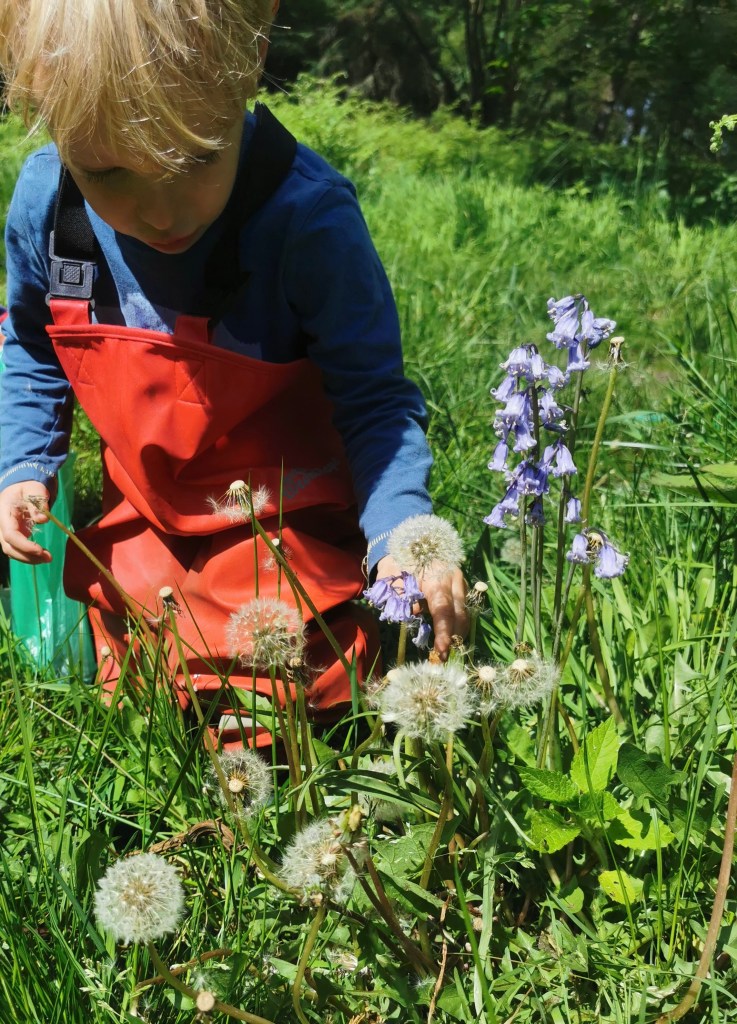
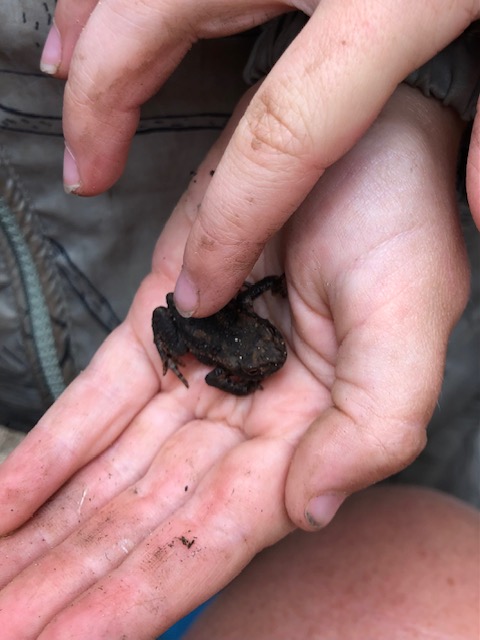
Echoes Ecology report lists several species from the Scottish Biodiversity List which may be present in the woodland – these include bats, toads, hedgehogs, red squirrels and native bluebells. We have seen lots of bluebells this spring, we regularly see toads and have once spotted a red squirrel. We need to keep our eyes peeled for the rest!

Be Tick Aware

During woodland play sessions children may be exposed to ticks as they are commonly found in woodland, moorland, grassland and parks. Ticks can sometimes pass on diseases such as Lyme disease and Tick-borne encephalitis to humans. Not all ticks are infected and, if they are removed quickly and safely, the chance of illness is greatly reduced.

We strongly recommend that children wear long sleeved tops and trousers as they not only reduce the risk of tick bite they also protect against nettle stings, scrapes and scratches.

We also recommend that parents check for ticks routinely and, if found, remove as soon as possible. The safest way to do this is to use a tick removal tool commonly available in most outdoor shops and chemists.

The following information and guidance may also be useful :

NHS Scotland : Tick Bites

Forestry and Land Scotland : Checking for ticks is easy

NHS Scotland guidelines : Current NHS Scotland Guidelines on Lyme Disease

Forestry Commission: Forestry Commission Identifying Ticks

The following YouTube video by a NHS Highland GP shows how to remove ticks safely :
Visit from Echoes Ecology

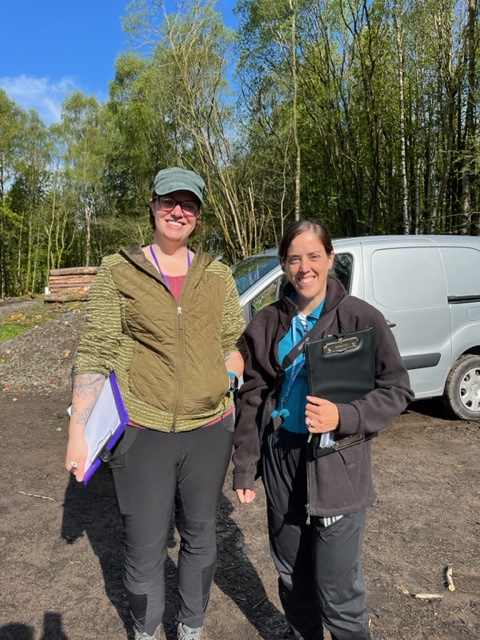
We were very pleased to welcome Kay and Heather from Echoes Ecology to our woods this morning. They have picked a beautiful, warm, sunny day to visit!

Kay and Heather are are conducting a Preliminary Ecological Appraisal (PEA) of our site in the woods which will document the range of habitats present and will look for signs of any protected species. This initial appraisal will inform the requirement for any future surveys.

Kay is known to us at CVN having helped us put up squirrel and bird feeders in the woods a couple of years ago. We are hopeful that our children can again be involved so that we can learn more about the creatures that live in our woods.

April Volunteer Day @ the Walled Garden

We were pleased to join with so many people at the mid month volunteer session in the Walled Garden at Gillies Hill Community Woodland today. The garden is literally springing into life and there were many jobs on the go including digging over and planting potatoes in a new bed, fixing the door to the poly tunnel, clearing the ever present glass and rubbish, planting strawberry plants and planting a new willow dome. It’s great to see changes and improvements as a result of everyone’s hard work. Despite the long list of jobs on the go there was time for a chat while enjoying a well earned cuppa.
Our job today was building a willow dome and, if we say it ourselves, we were very pleased with the result. It has a little bit of growing to do as we were maybe a little bit over ambitious with our planning but ambition is never a bad thing 😉
We are looking forward to watching it grow!